
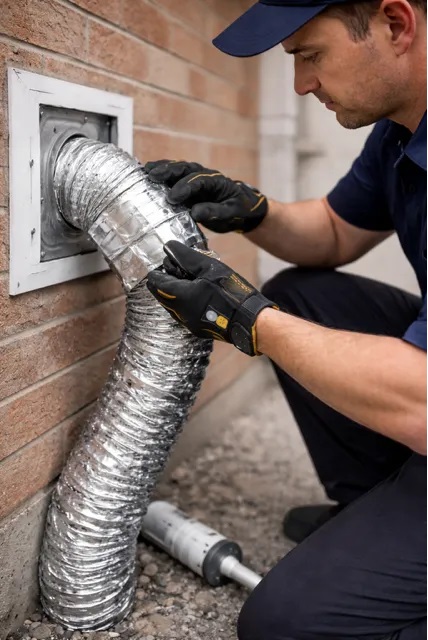
A dryer that suddenly takes longer to dry clothes, produces a burning smell, or overheats is more than an inconvenience—it can be a warning sign of restricted airflow inside the vent system. Many Portland homeowners don’t realize how quickly lint buildup can reduce efficiency and increase fire risk over time.
Understanding what happens during a professional cleaning visit helps you feel more prepared, know what to expect, and recognize the value of proper maintenance. A well-executed service doesn’t just clean the vent—it improves safety, energy efficiency, and appliance lifespan.
In this guide, we’ll walk through the full process of a professional visit, what technicians look for, and why regular maintenance has become a growing priority for homeowners in 2026, especially for Dryer Vent Cleaning in Portland.
Why Dryer Vent Cleaning Matters More Than Most Homeowners Realize
Dryers produce a steady flow of lint, moisture, and warm air. While lint traps capture much of it, a significant amount still travels into the vent line. Over time, this buildup narrows airflow and forces the dryer to work harder.
In Portland’s damp climate, this issue can become even more noticeable. Moisture in the air can cause lint to stick more easily inside vent ducts, creating a slow but steady blockage.
That is why scheduling a Dryer Vent Cleaning Service in Portland has become an important part of routine home maintenance rather than a luxury service.
Step 1: Initial Inspection and Safety Check
Every professional visit begins with a careful inspection of the dryer and vent system. This step helps technicians understand the level of buildup and identify any potential safety concerns.
During this stage, technicians typically:
- Check airflow coming from the exterior vent
- Inspect lint trap condition
- Evaluate dryer performance
- Look for disconnected or damaged vent sections
If there are signs of excessive buildup or poor airflow, the technician explains the issue before starting work. This ensures homeowners understand what is happening inside their system.
Step 2: Disconnecting and Preparing the System
Before cleaning begins, the dryer is safely disconnected from the vent line and electrical supply. This step is important to ensure both safety and access to the full duct system.
Technicians may also move the appliance slightly to access the rear connection point. Protective coverings are often used to keep floors and walls clean during the process.
This preparation phase is especially important in older homes where vent routing may be more complex or partially hidden.
Step 3: Deep Cleaning of the Vent Line
This is the core of the service and where most of the improvement happens.
Using specialized tools such as rotating brushes, high-powered vacuums, and airflow systems, technicians remove lint buildup from the entire vent line. The goal is not just surface cleaning but full clearance of blockages.
In many cases, homeowners are surprised by how much lint is extracted—even from systems that appear to be functioning normally.
This step directly improves:
- Airflow efficiency
- Drying time
- Energy consumption
- Overall dryer performance
Homeowners often notice immediate improvement after this stage is completed.
Step 4: Exterior Vent Cleaning and Airflow Testing
Once the interior vent is cleaned, attention shifts to the exterior vent hood. This area is commonly overlooked but plays a critical role in airflow performance.
Technicians check for:
- Blockages from lint or debris
- Bird nests or outdoor obstructions
- Damaged vent covers
- Restricted airflow movement
After cleaning, airflow is tested to ensure proper ventilation. A strong, consistent airflow confirms that the system is functioning correctly.
Step 5: Reconnection and System Check
After cleaning is complete, the dryer is reconnected and tested. Technicians run a short cycle to verify that everything is operating safely and efficiently.
During this step, they may also check:
- Heat levels during operation
- Cycle time improvements
- Moisture release efficiency
- Noise or vibration changes
If issues are detected, they are explained clearly so the homeowner understands next steps.
Real-Life Example: A Common Portland Home Scenario
A homeowner in Portland recently noticed their dryer was taking nearly twice as long to dry clothes. At first, they assumed the appliance was aging.
However, after scheduling a professional visit, technicians discovered a heavily clogged vent line filled with compacted lint. Airflow was severely restricted, causing the dryer to overheat and run inefficiently.
After a full cleaning, drying times returned to normal, and energy usage decreased noticeably. This type of situation is common in homes that have not had vent maintenance in several years.
Signs You Should Schedule Dryer Vent Service
Many homeowners search for Dryer Vent Cleaning near me only after problems become noticeable. However, early warning signs can help prevent bigger issues.
Look out for:
- Clothes taking longer to dry
- Dryer feeling unusually hot
- Burning or musty odors
- Excess lint around the dryer area
- Weak airflow from exterior vent
- Automatic shutdowns during cycles
These symptoms often indicate restricted airflow inside the vent system.
Why Professional Cleaning Is More Effective Than DIY Methods
While basic lint trap cleaning is something homeowners can handle, internal vent cleaning requires specialized tools and experience.
Professional services reach deep into the vent line where buildup is most severe. This ensures a more complete and safer cleaning process.
DIY methods often miss hidden blockages or fail to fully restore airflow, which can lead to recurring issues.
2026 Trends in Dryer Vent Maintenance
Home maintenance habits are evolving, and more homeowners are prioritizing preventive care rather than reactive repairs.
In 2026, industry trends show:
- Increased awareness of fire safety risks
- Higher demand for energy efficiency improvements
- More routine vent inspections in older homes
- Growing interest in indoor air quality and airflow optimization
These trends are making services like Dryer Vent Cleaning in Portland more common and more essential than ever.
How Regular Cleaning Improves Home Efficiency
A clean dryer vent system doesn’t just improve drying speed—it also affects overall household energy usage.
Benefits include:
- Reduced electricity consumption
- Lower utility bills
- Longer appliance lifespan
- Improved safety from overheating risks
- Better indoor humidity control
When airflow is unrestricted, the dryer operates more efficiently and puts less strain on internal components.
Why Homeowners Trust Professional Service Providers
Experienced technicians bring more than equipment—they bring knowledge of system design, airflow behavior, and safety standards.
Working with a trusted provider like TrueAir PDX ensures the job is done thoroughly, safely, and with attention to long-term performance.
Homeowners appreciate not only the cleaning itself but also the guidance provided during the visit, such as maintenance tips and system care recommendations.
What Happens After the Service
Once cleaning is complete, homeowners typically notice immediate improvements:
- Faster drying cycles
- Less heat buildup in laundry areas
- Reduced lint accumulation
- More consistent dryer performance
Technicians may also recommend future maintenance intervals based on system condition and usage levels.
Conclusion
A professional dryer vent cleaning visit is a detailed, safety-focused process that goes far beyond basic maintenance. From inspection to airflow testing, each step is designed to improve efficiency, reduce risk, and extend the life of your dryer system.
For Portland homeowners, understanding this process helps highlight why regular maintenance is essential—especially in humid environments where lint buildup can occur more quickly.
Whether you’re experiencing longer drying times or simply want to maintain a safer home, scheduling a professional service ensures your system operates at its best.
If you’ve noticed warning signs or want peace of mind, it may be time to consider expert help from TrueAir PDX.
Call (503) 212-9073 today or fill out the contact form to schedule your consultation and discuss your project goals.
FAQs
How often should dryer vent cleaning be done?
Most homes benefit from cleaning every 1–2 years, depending on usage and vent length.
What are the risks of a clogged dryer vent?
Clogged vents can lead to longer drying times, higher energy bills, overheating, and fire hazards.
How long does a professional dryer vent cleaning take?
Most appointments take between 45 minutes to 90 minutes depending on system condition.
Can a clean vent really improve dryer performance?
Yes, improved airflow allows the dryer to operate more efficiently and reduces cycle times significantly.