
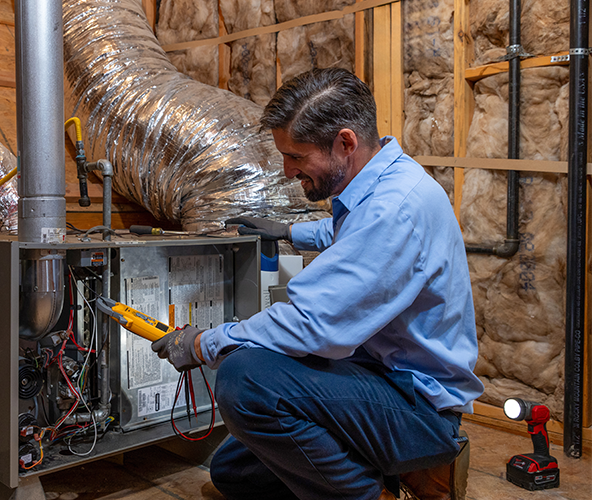
Indoor air quality has become a major concern for homeowners throughout Portland. Between seasonal pollen, damp weather, wildfire smoke, pet dander, dust buildup, and tightly sealed modern homes, indoor air can often become more polluted than many people realize. While air purifiers and upgraded filters help, one of the most overlooked contributors to poor indoor air quality is the HVAC system itself.
When furnace components and evaporator coils collect dirt, moisture, and debris, the entire heating and cooling system begins circulating contaminants through the home. Airflow becomes restricted, humidity control weakens, and allergens continue building inside ductwork and living spaces.
That is why more homeowners are investing in Furnace & HVAC Coil Cleaning in Portland as part of their year-round home maintenance strategy. Clean HVAC systems do more than improve efficiency — they directly support healthier indoor breathing conditions for families, children, pets, and anyone sensitive to airborne irritants.
Why Indoor Air Quality Matters More in Portland Homes
Portland’s climate creates unique indoor air challenges. Long rainy seasons and fluctuating temperatures often encourage homeowners to keep windows closed for extended periods, especially during winter and wildfire season.
This reduces fresh air circulation and increases indoor pollutant concentration.
Common indoor air contaminants found in residential HVAC systems include:
- Dust particles
- Mold spores
- Pet dander
- Pollen
- Bacteria
- Smoke residue
- Moisture-related buildup
When HVAC coils become dirty, they trap and circulate these contaminants throughout the home repeatedly.
For households with allergies, asthma, respiratory sensitivity, or older HVAC systems, this buildup can significantly affect comfort and air quality over time.
How HVAC Coils Affect Air Quality
Many homeowners understand the importance of replacing filters but rarely think about the evaporator coils hidden inside the HVAC system.
These coils play a major role in cooling and moisture removal. Over time, they naturally collect dust, dirt, and condensation. When neglected, the combination of moisture and debris creates an environment where mold and bacteria may develop.
Dirty coils can contribute to:
- Musty indoor odors
- Increased airborne particles
- Reduced humidity control
- Poor airflow circulation
- Uneven indoor temperatures
Professional cleaning helps remove accumulated buildup before it impacts system performance or indoor comfort.
A Real Homeowner Scenario
A Portland homeowner recently noticed that despite regularly changing HVAC filters, their home still felt dusty and humid. Family members experienced worsening allergy symptoms during spring and summer, even while indoors.
After scheduling an inspection, technicians discovered heavy debris buildup on the evaporator coils along with restricted airflow inside the furnace system. Once the system was professionally cleaned, the homeowner noticed several improvements within days:
- Reduced indoor dust accumulation
- Better airflow throughout the house
- Improved cooling consistency
- Fewer allergy flare-ups
- Lower system strain
Situations like this are becoming increasingly common as HVAC systems work harder throughout changing seasonal conditions.
Why Dirty HVAC Systems Work Harder
A clean HVAC system allows air to move efficiently through the equipment. When coils become coated with dust and debris, airflow restriction forces the system to operate longer to maintain desired temperatures.
This additional strain can lead to:
- Higher utility bills
- Increased wear on components
- Reduced equipment lifespan
- More frequent breakdowns
- Poor humidity balance
Regular maintenance supports both indoor air quality and overall HVAC efficiency.
Signs Your HVAC System May Need Cleaning
Many indoor air quality problems develop gradually, making them easy to overlook at first.
Homeowners should pay attention to warning signs such as:
Persistent Dust Around Vents
If dust quickly returns after cleaning, the HVAC system may be circulating contaminated air.
Uneven Cooling or Heating
Restricted airflow caused by dirty coils can reduce temperature consistency across rooms.
Musty Odors
Moisture buildup inside the system may create unpleasant smells when the HVAC system runs.
Increased Allergy Symptoms Indoors
Poor indoor air circulation often worsens allergy and respiratory irritation.
Rising Energy Costs
An overworked HVAC system typically consumes more energy to maintain indoor comfort.
When these problems appear, scheduling a professional inspection can help identify whether buildup inside the system is contributing to the issue.
The Growing Demand for Preventative HVAC Maintenance
One of the biggest home maintenance trends entering 2026 is preventative HVAC care. Homeowners are becoming more proactive about indoor air quality rather than waiting for breakdowns or visible performance issues.
Several factors are driving this shift:
- Increased awareness of indoor pollutants
- More wildfire smoke exposure in the Pacific Northwest
- Rising energy costs
- Longer HVAC usage seasons
- Improved understanding of air circulation health
This growing awareness has increased demand for professional HVAC inspections, coil cleaning, and airflow optimization services throughout Portland.
How Professional Coil Cleaning Is Different From DIY Maintenance
Many homeowners attempt basic HVAC cleaning themselves, but coil systems are delicate and require specialized handling.
Professional technicians use equipment and cleaning methods designed to safely remove buildup without damaging system components.
A proper cleaning typically includes:
- Coil inspection
- Debris removal
- Condensation drainage evaluation
- Airflow testing
- System efficiency assessment
DIY cleaning methods can sometimes bend fins, damage coils, or fail to remove deeper contamination.
Experienced companies like TrueAir PDX understand how to clean HVAC systems thoroughly while protecting long-term equipment performance.
The Connection Between Humidity and Indoor Air Quality
Portland’s damp climate creates ongoing humidity management challenges for homeowners. HVAC systems play a critical role in regulating indoor moisture levels.
When coils become dirty, moisture removal efficiency decreases. Excess humidity indoors may contribute to:
- Mold growth
- Window condensation
- Stale indoor air
- Dust mite activity
- Musty odors
Clean HVAC systems improve moisture control, helping maintain a healthier indoor environment throughout the year.
Why Air Filters Alone Are Not Enough
Many homeowners assume replacing filters fully protects indoor air quality. While filters are important, they only address part of the problem.
Dust and debris still accumulate inside:
- Evaporator coils
- Furnace components
- Blower assemblies
- Drain lines
- Air ducts
Without occasional professional maintenance, these hidden areas continue affecting airflow and air cleanliness.
Combining filter replacement with routine system cleaning offers more complete indoor air protection.
Energy Efficiency Benefits of HVAC Cleaning
Cleaner HVAC systems also operate more efficiently. When airflow improves, heating and cooling equipment no longer has to work as hard to maintain comfort levels.
Potential benefits include:
- Lower monthly utility costs
- Faster temperature response
- Reduced equipment stress
- Better airflow distribution
- Extended system lifespan
For homeowners planning long-term property maintenance, preventative HVAC care often becomes a cost-saving investment rather than an optional service.
Common Mistakes Homeowners Should Avoid
Indoor air quality problems are often worsened by delayed maintenance or incomplete system care.
Ignoring Early Warning Signs
Small airflow or odor problems may indicate larger system contamination issues developing behind the scenes.
Skipping Annual HVAC Maintenance
Even newer systems benefit from regular inspection and cleaning.
Using Incorrect Filters
Overly restrictive filters can reduce airflow if not matched properly to the HVAC system.
Focusing Only on Temperature Control
Indoor comfort also depends on humidity balance and air cleanliness, not just heating and cooling output.
Hiring Inexperienced Service Providers
Improper coil cleaning methods can damage sensitive HVAC components.
Homeowners researching HVAC Coil Cleaning near me should prioritize experienced professionals with strong maintenance expertise and detailed inspection procedures.
Commercial Buildings Face Similar Air Quality Challenges
Indoor air quality concerns are not limited to residential properties. Offices, retail spaces, and commercial facilities also depend heavily on HVAC cleanliness for occupant comfort and operational efficiency.
A professional Furnace & HVAC Coil Cleaning service helps commercial properties manage:
- Employee comfort
- Air circulation consistency
- Odor control
- Dust reduction
- HVAC performance reliability
Businesses with poor indoor air quality often experience increased maintenance issues and reduced occupant satisfaction.
Technology Is Changing HVAC Maintenance
Modern HVAC service technology has improved inspection accuracy and maintenance quality significantly.
Current trends include:
Digital Airflow Analysis
Technicians can now identify airflow restrictions more precisely using diagnostic tools.
Indoor Air Quality Monitoring
Advanced sensors help homeowners track humidity, airborne particles, and ventilation performance.
Eco-Friendly Cleaning Solutions
Many companies now use safer, environmentally responsible cleaning products.
Smart HVAC Maintenance Scheduling
Connected HVAC systems can alert homeowners when maintenance may be needed based on runtime and airflow performance.
These advancements are helping homeowners maintain healthier indoor environments more efficiently.
Choosing the Right HVAC Maintenance Partner
Not all HVAC companies offer the same level of thoroughness when it comes to indoor air quality care.
Homeowners should look for providers that:
- Perform full system inspections
- Explain findings clearly
- Offer preventative maintenance guidance
- Use proper cleaning methods
- Prioritize long-term system health
Reliable service providers focus on solving root problems instead of offering temporary fixes.
For homeowners looking to improve year-round comfort, scheduling a professional evaluation with TrueAir PDX can help identify airflow restrictions, moisture concerns, and hidden HVAC contamination before larger problems develop.
Why Indoor Air Quality Will Remain a Priority in 2026
Homeowners are becoming more educated about the connection between HVAC performance and overall wellness. Indoor air quality is no longer viewed as a luxury concern — it is becoming part of responsible home ownership.
As HVAC systems become more energy efficient and homes become more tightly sealed, proper ventilation and system cleanliness will continue playing a larger role in indoor comfort.
Preventative maintenance, airflow optimization, and system cleaning are expected to remain major priorities throughout the coming years.
Final Thoughts
Indoor air quality affects far more than comfort alone. It influences respiratory health, energy efficiency, humidity balance, and overall home cleanliness. In Portland’s climate, HVAC systems work continuously throughout the year, making regular maintenance increasingly important.
Dirty furnace components and HVAC coils often contribute to airflow restrictions, airborne contaminants, moisture problems, and rising utility costs. Professional cleaning helps homeowners maintain healthier indoor environments while protecting long-term HVAC system performance.
By taking a proactive approach to Furnace & HVAC Coil Cleaning in Portland, homeowners can improve air circulation, reduce indoor pollutants, and support better comfort year-round.
FAQs
How often should HVAC coils be professionally cleaned?
Most HVAC systems benefit from professional coil cleaning every 1–2 years, depending on usage, pets, air quality conditions, and filter maintenance.
Can dirty HVAC coils affect allergies?
Yes. Dirty coils may circulate dust, pollen, mold spores, and other airborne particles that worsen allergy symptoms indoors.
Does HVAC cleaning improve energy efficiency?
Cleaner systems typically operate more efficiently because airflow restrictions are reduced and equipment experiences less strain.
Is coil cleaning safe for newer HVAC systems?
Yes. Professional cleaning performed correctly helps maintain system efficiency and may extend equipment lifespan.
Call (503) 212-9073 today or fill out the contact form to schedule your consultation and discuss your project goals.