Introduction: Why Your Chimney is a Critical Home System
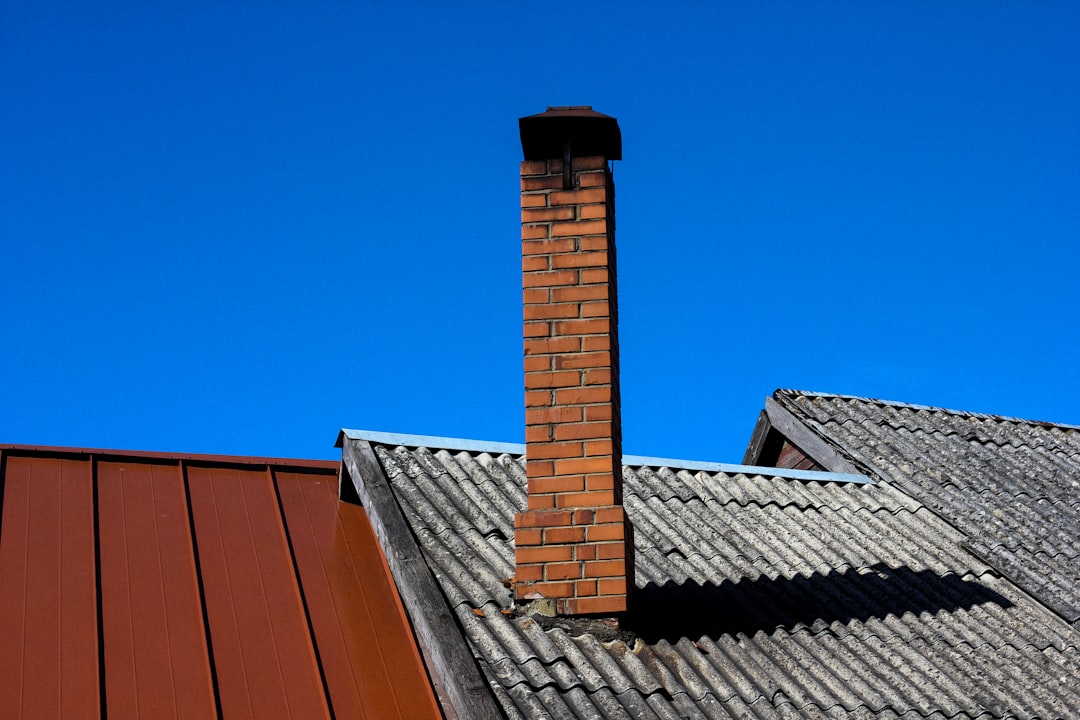
Portland chimney repair is essential for maintaining a safe, efficient, and healthy home. Your chimney is more than just a decorative feature—it’s a critical system that protects your family from fire hazards, carbon monoxide poisoning, and costly water damage.
What Portland homeowners need to know about chimney repair:
- Common issues: Cracked crowns, damaged flashing, spalling bricks, deteriorating mortar joints, and damaged liners
- Climate impact: Portland’s rain and freeze-thaw cycles accelerate chimney deterioration
- Safety risks: Neglected chimneys can cause house fires (40% of chimney fires start in the smoke chamber), carbon monoxide leaks, and structural collapse
- Code requirements: NFPA 211 requires annual chimney inspections for soundness and safety
- Professional services: Tuckpointing, relining, crown repair, waterproofing, flashing repair, and masonry restoration
Many Portland homeowners go years—even decades—without proper chimney maintenance. They don’t realize that their chimney contacts every trade in the home, from the roof to the foundation. It’s essentially a fireproof building within your house that requires specialized care.
According to the National Fire Protection Association, heating equipment is the second leading cause of house fires in the United States, with 28% attributed to lack of maintenance. In Oregon alone, chimney fire damage has increased from $4.7 million in 1986 to an average of $1 billion per year.
Portland’s unique climate makes chimney repair even more critical. The combination of wind-driven rain and freezing temperatures causes severe saturation decay, turning solid masonry into loose, crumbling bricks. Without proper protection—like a correctly installed chimney cap and water seal treatment—moisture seeps into your chimney and can even dissipate into your attic.
Whether you’re experiencing smoke backdraft, noticing water stains, or simply haven’t had your chimney inspected in years, understanding when and why repairs are needed can save you thousands of dollars and protect your family’s safety.
Spotting Trouble: Signs Your Portland Chimney Needs Repair
Portland’s climate, with its frequent rain and freeze-thaw cycles, is tough on chimneys. This constant moisture exposure causes “severe saturation decay,” which can transform solid masonry into crumbling bricks, weakening the entire structure.
How can you tell if your chimney needs attention? Look for these common signs that indicate your Portland chimney repair is needed:
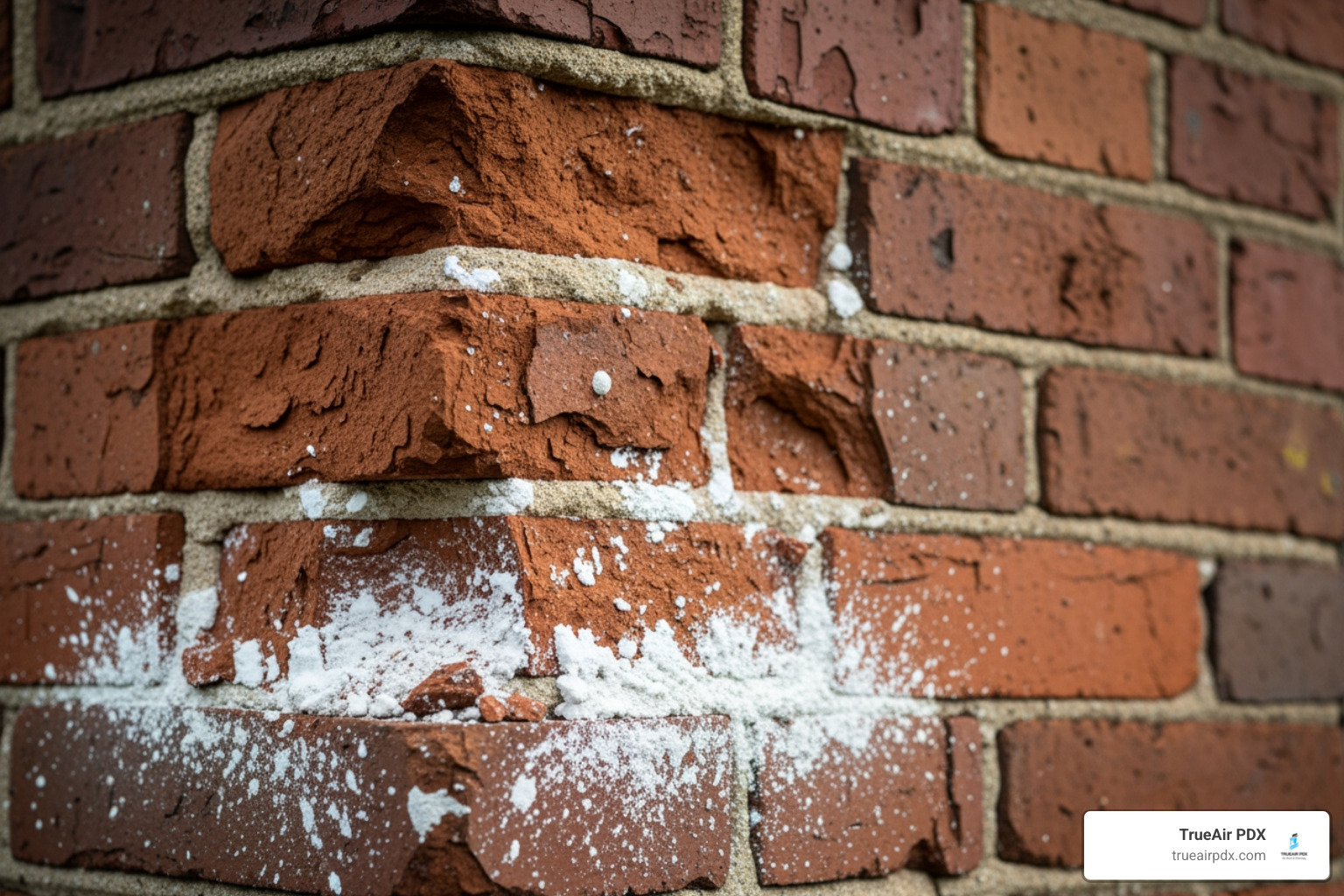
- Spalling Bricks: The face of the brick peels, flakes, or crumbles. This is a direct result of moisture penetrating the brick, freezing, and expanding.
- Efflorescence (White Staining): These white stains are mineral salts left behind after water evaporates from the masonry, a clear sign of moisture intrusion.
- Damaged Mortar Joints: The mortar between bricks can crack or fall out, compromising the chimney’s structure and allowing water to enter.
- Cracked Crown: The concrete slab at the top of your chimney is the crown. If it’s cracked, water can seep directly into the chimney. Experts note that less than 1% of crowns are installed correctly, making this a common issue.
- Rusted Damper or Firebox: Rust on the metal components inside your fireplace is a tell-tale sign of water entering the chimney.
- Water Leaks in Attic or Walls: Water stains on your ceiling or walls near the chimney are a critical sign that water has penetrated the chimney and is entering your home.
- Smoke Backdraft: Smoke drifting back into your home could indicate a blockage, a damaged flue liner, or an improperly designed smoke chamber.
- Strong Odors: A persistent smoky or musty smell from your fireplace, especially in humid weather, can point to creosote buildup or moisture.
If you observe any of these signs, don’t ignore them.
The Dangers of Delay
Neglecting minor chimney issues can lead to severe consequences, jeopardizing your home and family.
- Fire Hazards & Creosote Buildup: A primary danger is a chimney fire. Burning wood creates flammable creosote inside the flue. The Chimney Safety Institute of America (CSIA) recommends sweeping when there’s 1/8″ of sooty buildup. If not cleaned, creosote can ignite. Fire investigators estimate 40% of chimney-related house fires start in the smoke chamber, highlighting the need for proper maintenance.
- Structural Collapse Risk: Damaged mortar, spalling bricks, and a cracked crown compromise the chimney’s structural integrity. Over time, this can lead to a partial or complete collapse, posing a serious threat and causing massive property damage.
- Dangers of carbon monoxide poisoning: A compromised or blocked flue can prevent toxic gases like carbon monoxide (CO) from venting safely. CO is a colorless, odorless, and deadly gas, making proper chimney function crucial for your family’s safety.
- Worsening Water Damage: Small leaks grow, allowing more water into your home’s structure. This can lead to wood rot, mold, and damaged insulation. A simple repair can quickly become a complex and expensive renovation.
- Reduced Heating Efficiency: A damaged chimney can’t vent properly, reducing your fireplace’s efficiency. You’ll use more fuel to achieve the same warmth.
The Importance of Annual Inspections
Regular professional inspections are the best defense against chimney problems and the cornerstone of proactive home safety.
- NFPA 211 Standard & CSIA Recommendation: The National Fire Protection Association (NFPA) Standard 211 states: “Chimneys, fireplaces, and vents shall be inspected at least once a year for soundness, freedom from deposits, and correct clearances. Cleaning, maintenance, and repairs shall be done if necessary.” The CSIA (Chimney Safety Institute of America) echoes this, emphasizing that annual inspections are crucial.
- Video Camera Inspections: Modern Level 2 inspections include video cameras to scan the flue’s interior. This lets us see hidden cracks, blockages, or other issues impossible to spot otherwise.
- Levels of Inspection: There are three levels of chimney inspection:
- Level 1: A basic visual inspection of readily accessible portions of the chimney.
- Level 2: A more in-depth inspection required during a property sale or after a malfunction, including internal video scanning.
- Level 3: The most comprehensive inspection, performed when a Level 1 or 2 inspection suggests a hidden hazard.
- Early Problem Detection: Regular inspections catch small problems before they escalate into major, costly repairs, saving you time, money, and stress.
- Real Estate Transactions: For real estate transactions in Portland, a chimney inspection is critical. It provides peace of mind for buyers and helps sellers address issues before they become negotiation roadblocks.
Don’t wait for a problem to become dangerous. We offer comprehensive inspections to keep your chimney in top shape. You can find More info about our inspection services on our website.
Common Chimney Repair Services and Solutions
When your chimney shows signs of wear and tear, it’s reassuring to know that a range of professional repair services can restore its safety and functionality. We specialize in addressing all types of chimney damage, ensuring your Portland home remains warm and secure.
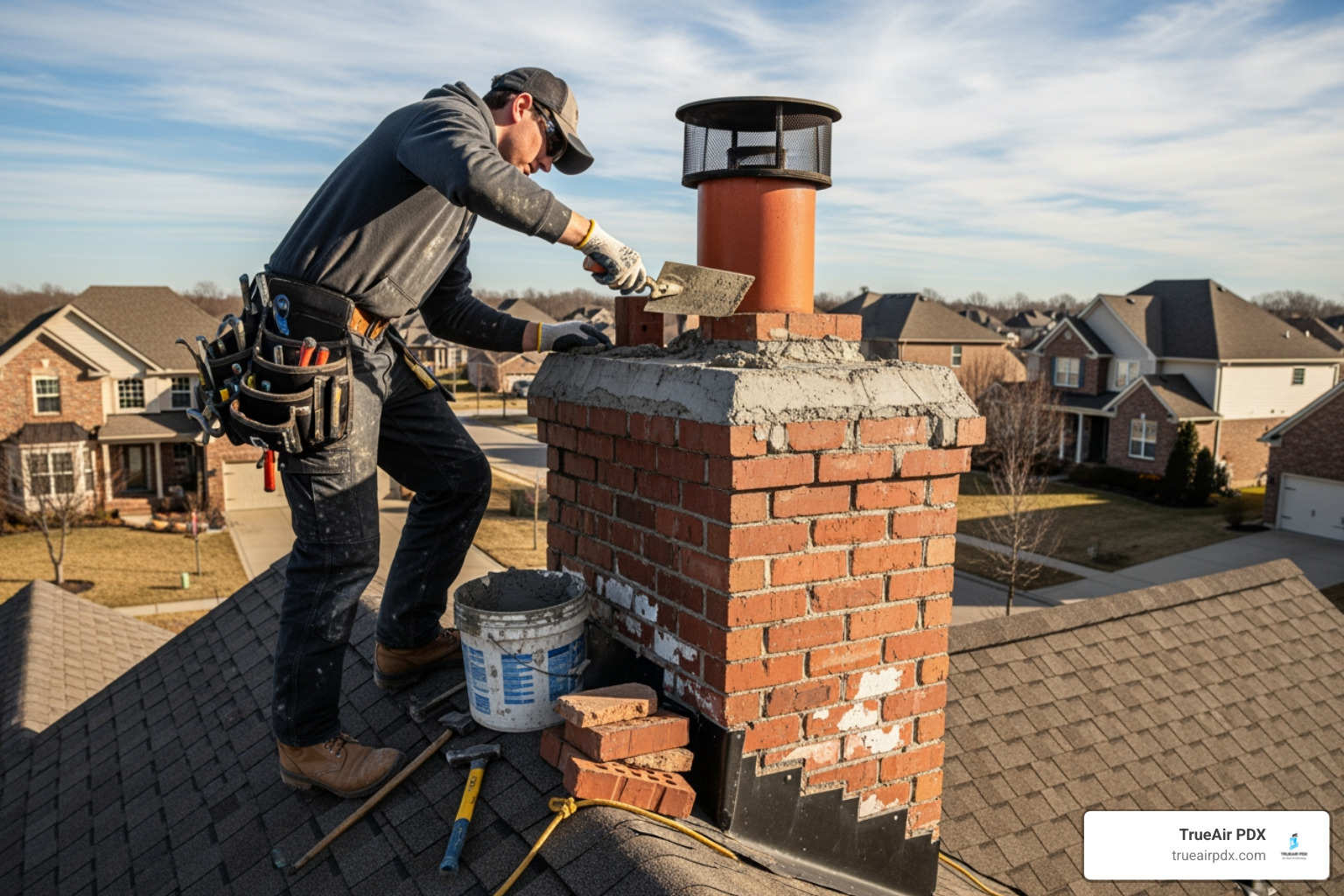
Common Types of Portland Chimney Repair Services
Here are some of the most common Portland chimney repair services we provide:
- Tuckpointing and Repointing: These terms are often used interchangeably, referring to the process of removing deteriorated mortar joints between bricks and replacing them with fresh, new mortar. This not only restores the chimney’s structural integrity but also improves its resistance to moisture, preventing further water intrusion and spalling.
- Masonry Rebuilding: For chimneys with significant structural damage, leaning sections, or extensive brick deterioration, a partial or full masonry rebuild may be necessary. We carefully reconstruct the damaged areas, ensuring they meet modern safety standards and blend seamlessly with your home’s existing aesthetic.
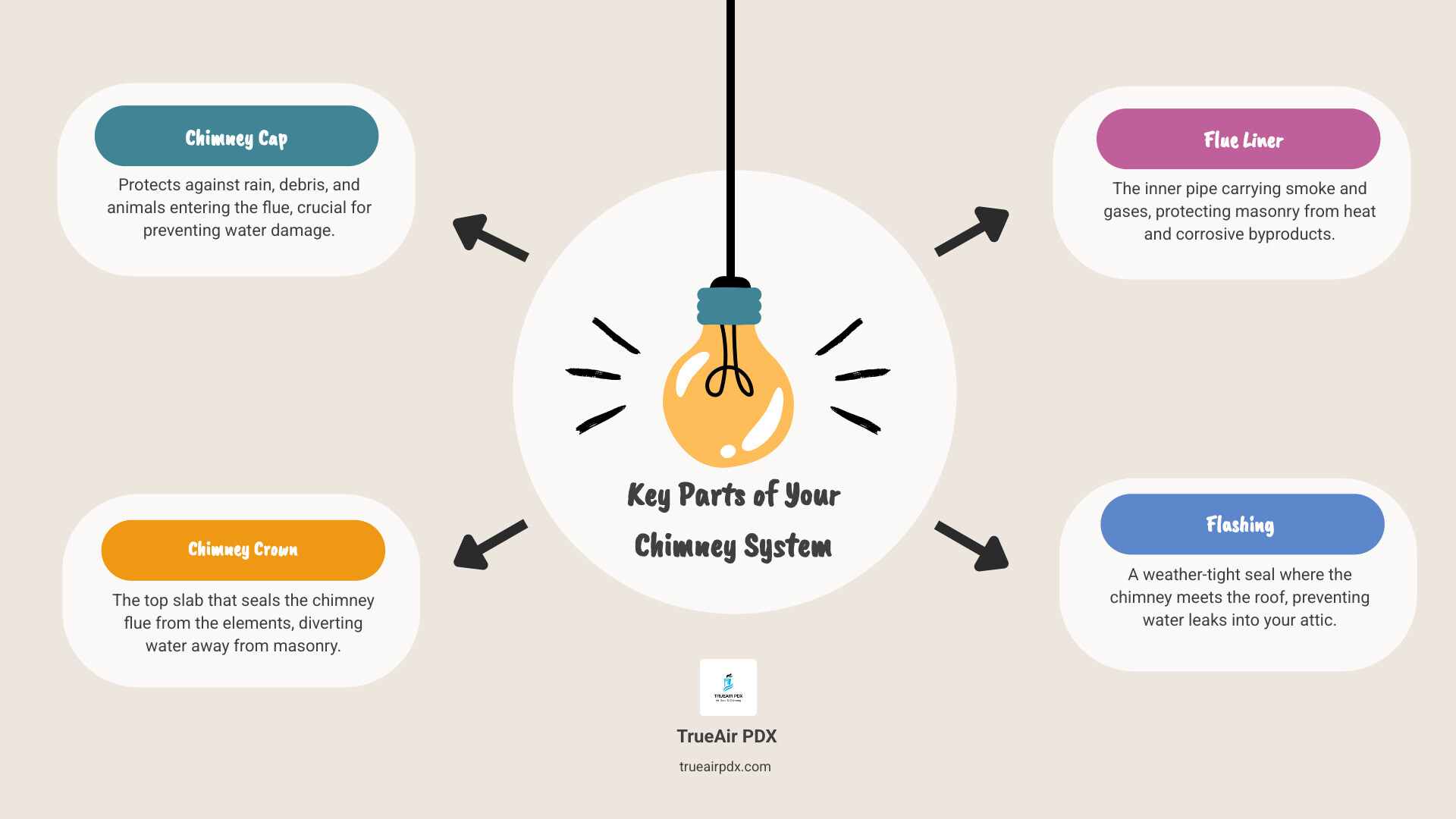
- Chimney Crown Repair: As the protective cap for your chimney, a damaged crown can allow water to seep into the masonry. We repair or replace cracked or improperly built crowns, ensuring they effectively shed water away from the chimney structure.
- Flashing Repair and Replacement: Flashing is the metal strip that creates a watertight seal where your chimney meets your roof. Damaged or improperly installed flashing is a very common source of roof leaks. We repair or replace flashing using durable materials and precise techniques to prevent water from entering your home.
- Waterproofing: After repairs, we apply a specialized water seal treatment to the chimney’s exterior. This protective sealant penetrates the masonry, creating a barrier against moisture intrusion without altering the chimney’s appearance or breathability. This is especially crucial in Portland’s wet climate to prevent future water damage.
- Smoke Chamber Parging: The smoke chamber is the sloped area above your firebox that funnels smoke into the flue. If its surfaces are rough or uneven, it can impede proper drafting and contribute to creosote buildup. NFPA 211 standards specify that the inner surfaces of the smoke chamber shall be parge coated smooth with an insulating refractory mortar to improve efficiency and safety.
- Damper Repair: A damaged or rusted damper can lead to draft issues, allowing heat to escape or smoke to enter your home. We can repair or replace your damper, ensuring it functions correctly to seal off the flue when not in use and open fully when your fireplace is lit.
The Role of Liners, Caps, and Chase Covers
Beyond the visible structure, internal components play a vital role in your chimney’s safety and performance.
- Chimney Relining: The flue liner is arguably the most important component of your chimney. It contains combustion byproducts, prevents heat from transferring to combustible materials in your home, and protects the masonry from corrosive gases. If your current liner is damaged, misaligned, missing mortar joints, incorrectly sized, or absent altogether, relining is essential.
- Stainless Steel Liners: Durable and versatile, stainless steel liners are a popular choice for their resistance to corrosion and high temperatures. They are suitable for various fuel types, including wood, gas, and oil.
- Clay Tile Liners: Often found in older masonry chimneys, clay tiles are effective when in good condition. However, they are prone to cracking from heat stress or chimney fires.
Relining improves efficiency, improves safety, and ensures your chimney meets current building codes.
- Chimney Cap Installation: A chimney cap is your chimney’s first line of defense against the elements and wildlife. We can come out, look over, and recommend the best replacement or maintenance for your home’s chimney cap(s). Call us today to find out how we can help!
- Animal and Debris Prevention: Chimney caps keep out rain, snow, leaves, twigs, and animals like birds, squirrels, and raccoons that might try to nest inside.
- Chimney Swifts and prevention: Did you know that chimney swifts are on the endangered species list and cannot be removed if they’ve nested in your chimney? They are the only bird that can fly straight up and down, making your chimney a perfect spot. A chimney cap can be installed to prevent their return, protecting both your home and these unique birds.
- Spark Arrestor: Many caps include a mesh screen that acts as a spark arrestor, preventing hot embers from escaping and landing on your roof or nearby combustible materials.
- Chase Top Replacement: For prefabricated or metal chimneys, a chase top serves a similar purpose to a masonry chimney crown. If your metal chase top is rusted, corroded, or damaged, it can allow water to enter the chase, leading to significant structural damage. We can replace these with durable, custom-fabricated chase tops.
The Professional Portland Chimney Repair Process: From Inspection to Completion
When you entrust us with your Portland chimney repair needs, you can expect a streamlined, transparent, and professional process from start to finish. Our goal is to make a potentially stressful situation as smooth and hassle-free as possible, ensuring your home’s safety and your peace of mind.
- Initial Assessment & Consultation: It all begins with a conversation. You reach out to us with your concerns or observations. We listen carefully and gather initial information about your chimney’s history and any problems you’ve noticed.
- Thorough Inspection: We schedule a professional chimney inspection. This typically involves a comprehensive Level 2 inspection, which includes a visual examination of all accessible components and, crucially, a video camera inspection of your flue’s interior. This allows us to accurately diagnose the problem, even those hidden from plain sight.
- Detailed Estimate & Explanation: After the inspection, we provide you with a detailed report of our findings, complete with images or video footage. We explain the recommended repairs, why they are necessary, and present you with a transparent, no-obligation estimate. We would rather be honest with you and tell you what your home truly needs than convince you to have work done that isn’t necessary.
- Scheduling the Repair: Once you approve the estimate, we work with you to schedule the repair at a time that’s convenient for you. We aim for prompt and efficient service, understanding the importance of a functional chimney.
- Site Preparation: Before any work begins, our team takes great care to protect your home and property. We cover surrounding areas, lay down drop cloths, and take all necessary precautions to ensure a clean and safe work environment. We’re known for keeping your house clean while doing messy work!
- Repair Execution: Our certified and experienced technicians carefully carry out the agreed-upon repairs using high-quality materials and craftsmanship. Whether it’s tuckpointing, relining, crown repair, or a full rebuild, we work under all current codes and strive to exceed industry standards.
- Final Inspection & Cleanup: Upon completion of the repairs, we conduct a thorough final inspection to ensure every detail meets our rigorous quality standards. We then perform a complete cleanup of the work area, leaving your home as tidy as we found it. We also review the work with you, answering any questions and providing advice on future maintenance.
Finding a Qualified Professional
Choosing the right professional for your Portland chimney repair is paramount. Your chimney’s integrity directly impacts your home’s safety, so you want to ensure you’re working with experts.
- CSIA Certification: Always look for technicians certified by the Chimney Safety Institute of America (CSIA). This certification indicates that the professional has undergone rigorous training and testing, possessing the knowledge of internal performance specifications necessary to identify unsafe areas often overlooked by uncertified sweeps. You can find Check for certified professionals on their website.
- Licensed, Bonded, and Insured: Ensure the company is fully licensed, bonded, and insured. This protects you from liability in case of accidents or damage during the repair process. We are proud to be licensed, bonded, and insured for your peace of mind.
- Local Reputation: Look for companies with a strong local reputation in Portland and the surrounding areas. Check online reviews (like those on Google, Yelp, or BBB) and ask for references. A company with a long history of professional service and customer satisfaction is a good indicator of reliability.
- Asking for References: Don’t hesitate to ask for references from previous clients. Speaking directly with homeowners who have used their services can provide valuable insights into their work quality, professionalism, and customer service.
Factors Influencing the Cost of Portland Chimney Repair
The cost of Portland chimney repair can vary significantly depending on several factors. Because every chimney is different, providing a one-size-fits-all price is difficult. However, understanding these influencing factors can help you anticipate the investment required:
- Extent of Damage: Minor repairs, like a small section of tuckpointing or a simple damper adjustment, will naturally cost less than extensive damage requiring a full masonry rebuild or relining.
- Chimney Height and Accessibility: Taller chimneys or those difficult to access (e.g., steep roofs, complex architectural features) will typically incur higher labor costs due due to the additional time, equipment, and safety measures required.
- Materials Required: The type and quality of materials needed for the repair will impact the cost. For example, stainless steel liners come at a different price point than clay tiles, and specialized refractory mortars may be more expensive than standard mortar mixes.
- Type of Repair: Some repairs are more labor-intensive or require specialized skills. For instance, flashing repair may be less complex than repairing a smoke chamber or performing a seismic retrofit on a leaning chimney.
- Labor Costs: Labor rates vary based on the complexity of the job, the experience of the technicians, and regional economic factors. Our team consists of highly experienced craftsmen, ensuring quality work that lasts.
While the upfront cost might seem daunting, neglecting chimney repairs almost always leads to more expensive and dangerous problems down the road. Investing in professional repair is an investment in your home’s safety and longevity.
Proactive Care: How to Prevent Common Chimney Problems
An ounce of prevention is worth a pound of cure, especially when it comes to your chimney. Proactive maintenance can significantly reduce the need for costly Portland chimney repair down the line and extend the life of your chimney system. Here are our top tips for keeping your chimney in excellent condition:
- Burn Seasoned Wood Only: This is perhaps one of the most critical preventative measures. Seasoned wood has been dried for at least six months to a year, reducing its moisture content. Burning unseasoned (wet) wood creates excessive smoke and produces significantly more creosote buildup, a major cause of chimney fires.
- Install a Quality Chimney Cap: As discussed, a proper chimney cap is essential. It prevents rain, snow, debris, and animals (including those protected chimney swifts!) from entering your flue. This simple addition can prevent numerous problems, from water damage to blockages.
- Schedule Annual Chimney Cleaning: Regular chimney cleaning, or sweeping, removes creosote, soot, and any blockages that may have accumulated. The CSIA recommends sweeping at 1/8″ of sooty buildup. If you regularly burn wood for heat, your chimney should be swept at least once a year. Even if you only use your fireplace for ambiance a few times a year, it’s still wise to have it checked. Spring to summer is often the best time for cleaning, allowing any necessary repairs to be done before the busy fall/winter season.
- Address Minor Repairs Promptly: Don’t let a small crack in the mortar or a slightly rusted damper go unaddressed. Minor issues tend to worsen rapidly, especially with Portland’s weather. Prompt repair can save you from more extensive and expensive work later.
- Apply Waterproofing Sealant: After your chimney has been cleaned and any necessary repairs are made, consider applying a professional-grade waterproofing sealant. This clear, breathable treatment repels water from the masonry, protecting it from saturation decay without trapping moisture inside. This is particularly beneficial in our rainy climate.
- Regularly Inspect Your Dryer Vent: While not directly part of your chimney, many homes have a dryer vent that exits through or near the chimney area. Clogged dryer vents are a significant fire hazard. Approximately 2,900 home clothes dryer fires are reported each year, causing an estimated 5 deaths, 100 injuries, and $35 million in property loss. We also offer professional dryer vent cleaning services to keep your home safe.
By following these proactive steps, you’re not just maintaining a structure; you’re safeguarding your home and family.
Frequently Asked Questions about Chimney Maintenance
We often hear similar questions from Portland homeowners about their chimneys. Here are some of the most common ones, along with our expert answers:
How often should I have my chimney inspected and cleaned?
The National Fire Protection Association (NFPA) Standard 211 recommends that chimneys, fireplaces, and vents be inspected at least once a year. This annual inspection should check for soundness, freedom from deposits, and correct clearances. Cleaning, maintenance, and repairs should be performed if necessary. If you regularly burn wood for heat, your chimney should be swept at least once a year. For fireplaces used less frequently, the need for cleaning might be less obvious, but an annual inspection is still crucial to assess creosote buildup or other issues. Even chimneys venting gas appliances should be inspected annually, as blockages from debris or animal nests can still occur. We find that spring to summer is the best time for cleaning, as it allows any problems to be repaired before the next burning season, and you can often get an appointment right away.
What is the difference between tuckpointing and repointing?
These two terms are often used interchangeably, and for practical purposes, they refer to the same masonry repair process. Both “tuckpointing” and “repointing” involve removing deteriorated or damaged mortar from the joints between bricks and replacing it with fresh, new mortar. The goal is to restore the structural integrity of the masonry, prevent water penetration, and improve the aesthetic appeal of the chimney. This is a common and essential Portland chimney repair service, especially given our climate’s impact on mortar.
Can my homeowner’s insurance cover chimney repairs?
Yes, in many cases, homeowner’s insurance can cover chimney repairs, especially if the damage is sudden and accidental, such as from a storm, lightning strike, or an unexpected event like a tree falling on your chimney. However, general wear and tear, or damage resulting from a lack of maintenance, is typically not covered. If you suspect your chimney damage is due to a covered event, we can often assist homeowners with the necessary documentation and assessment to support their insurance claims. It’s always best to contact your insurance provider directly to understand your specific policy’s coverage.
Your Partner for a Safe and Cozy Portland Home
Your chimney is a vital, intricate system that plays a critical role in the safety, efficiency, and comfort of your home. Ignoring its maintenance can lead to dangerous and expensive problems, from devastating chimney fires and the silent threat of carbon monoxide to extensive water damage and structural issues.
We understand that maintaining your home can be a myriad of responsibilities. That’s why we emphasize the importance of professional, regular chimney care. A well-maintained chimney not only protects your family and property but also improves your home’s heating efficiency and overall value.
For expert assessment and a full range of chimney services, the certified professionals at TrueAir PDX ensure your home remains safe and warm. We’re your local, trusted, and eco-friendly partner, committed to providing comprehensive home air system cleaning and Portland chimney repair with transparent pricing and guaranteed satisfaction.
Don’t let chimney problems go up in smoke. Get a Free Quote for your chimney needs today! Let us help you keep your hearth hearty and your home happy.