
Why Understanding Flue Cleaning Cost Matters for Portland Homeowners
Flue cleaning cost typically ranges from $129 to $380 for a standard service, with most homeowners paying around $254. However, your final bill depends on several factors including your chimney type, condition, and any additional services needed.
Quick Cost Overview:
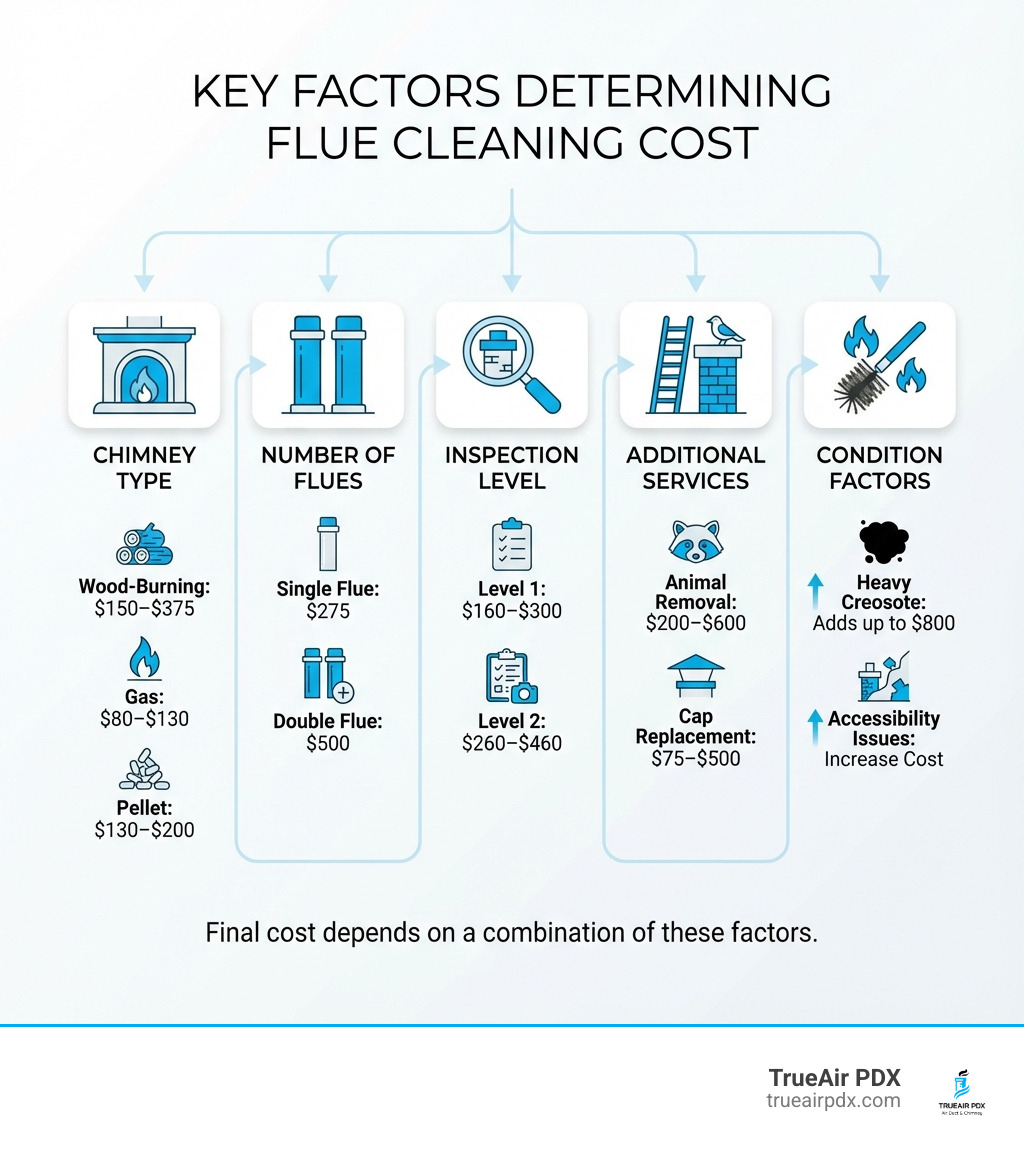
- Gas fireplace flue: $80–$130
- Pellet stove flue: $130–$200
- Wood-burning fireplace flue: $150–$375
- Single flue cleaning: $275 average
- Level 1 inspection: $160–$300
- Level 2 inspection: $260–$460
- Heavy creosote removal: Add up to $800
If you’re a Portland-area homeowner who enjoys cozy fires during our rainy winters, understanding what you’ll pay for flue cleaning is essential. But this isn’t just about budgeting—it’s about safety.
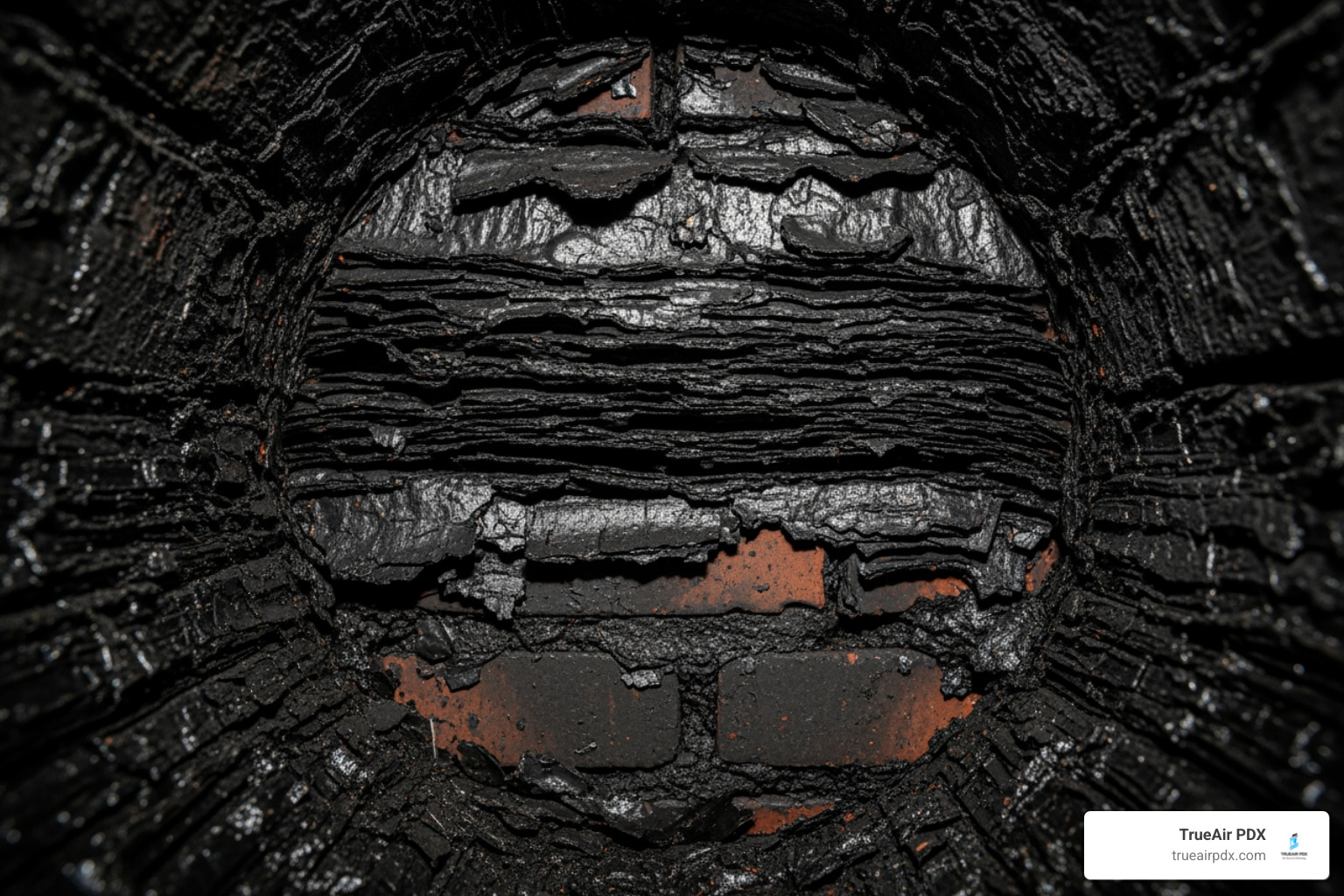
Here’s the reality: neglected chimneys contribute to nearly one-third of all home heating fires. The culprit? Creosote buildup—a black, tar-like substance that accumulates inside your flue and is extremely flammable. When creosote reaches just 1/8 inch thick, your chimney becomes a fire hazard.
Professional flue cleaning removes this dangerous buildup and ensures your chimney vents toxic gases like carbon monoxide safely outside your home. For families concerned about indoor air quality and home safety, this service isn’t optional—it’s critical preventative maintenance.
The good news? Once you understand what influences the cost, you can make informed decisions and even find ways to save money while keeping your family safe.
Breaking Down the Average Flue Cleaning Cost
When it comes to maintaining your home’s fireplace or stove, understanding the specific costs involved in flue cleaning can feel a bit like decoding a secret language. But fear not, we’re here to explain the numbers and show you what to expect. The average chimney cleaning cost in the United States is about $220, with a typical range of $105 to $330. However, for a comprehensive service from a professional chimney sweep, companies typically charge around $275, with prices ranging from $150 to $375. This section will detail the specific costs homeowners in Portland, Gresham, Beaverton, and surrounding areas can anticipate for various services related to their chimney flue.
Standard Cleaning & Inspection Costs
A basic chimney cleaning service generally includes sweeping and removing creosote or soot buildup, along with a visual inspection for damages. This standard service typically charges between $100 to $350 in the United States. For our local homeowners, the average cost to hire a chimney sweep in Oregon is around $200.
Beyond just a sweep, an inspection is a crucial part of ensuring your chimney’s safety and functionality. There are different levels of inspections, each with varying costs and purposes:
- Level 1 Chimney Inspection: This is a basic visual inspection, often performed during a routine cleaning. The technician will check readily accessible portions of the chimney’s interior and exterior, looking for obstructions or basic structural issues. A Level 1 inspection typically costs between $160 to $300.
- Level 2 Chimney Inspection: This is a more thorough inspection, required when changes are made to the heating appliance, when a property is sold, or after an external event like a chimney fire or weather damage. It includes everything in a Level 1 inspection, plus a visual inspection of accessible portions of the chimney exterior, interior, and accessible attics, crawlspaces, and basements. It also uses a video scan of the flue interior. A Level 2 inspection costs between $260 to $460.
Here’s a quick comparison of Level 1 and Level 2 Chimney Inspections:
| Inspection Level | Cost Range | Purpose | What’s Included |
|---|---|---|---|
| Level 1 | $160 – $300 | To determine that the chimney is free of obstruction and combustible deposits, and the chimney structure and flues are sound. | Visual inspection of readily accessible portions of the chimney exterior, interior, and accessible attics, crawlspaces, and basements. |
| Level 2 | $260 – $460 | For home sales, after damage (e.g., chimney fire, weather event), or when changes are made to the heating appliance. | Includes Level 1 inspection, plus visual inspection of accessible portions of the chimney exterior, interior, and accessible attics, crawlspaces, and basements. Also includes a video scan of the flue interior. |
A standard chimney cleaning service typically takes between 45 minutes to one hour, but can take longer if there’s severe buildup or additional features are being installed. Our team at TrueAir PDX ensures a thorough clean, making sure your flue is clear and safe.
Cost by Fireplace & Flue Type
The type of fireplace or stove you have significantly impacts the flue cleaning cost. Different fuels and designs create different kinds of buildup, requiring specific cleaning methods.
- Wood-burning Fireplaces: These are the classic culprits for creosote. Cleaning a wood-burning fireplace chimney can range from $150 to $375, with an average cost around $335. This is often more expensive due to the more stubborn creosote removal required.
- Gas Fireplaces: While often considered “clean-burning,” gas fireplaces can still accumulate soot and require cleaning. The average cost to clean a gas-burning fireplace chimney is around $130, with a range of $80 to $175.
- Pellet Stoves: Pellet stoves burn compressed wood pellets and can also lead to ash and creosote buildup. The average cost to clean a pellet stove chimney is around $210, ranging from $130 to $300.
- Single Flue vs. Multiple Flues: The number of flues in your chimney directly affects the labor and time involved. A single-flue chimney cleaning typically costs around $275. For a double-flue chimney, you might expect to pay around $500. Each additional flue can add approximately $225 to the cost. For instance, a triple-flue chimney cleaning can range from $200 to $350.
- Masonry vs. Metal Chimneys: The construction material of your chimney can also play a role. Masonry chimney cleaning costs often start from $200 to $500. Factory-made metal chimney cleaning tends to be less expensive, typically between $100 and $300 on average.
Additional Service Costs You Might Encounter
Sometimes, a simple flue cleaning isn’t enough. Our inspections often reveal other issues that need addressing to ensure your chimney is fully functional and safe. These additional services come with their own costs:
- Animal Removal: If you hear scratching or chirping, you might have an unwelcome guest. Animals like birds, squirrels, or raccoons can build nests in your chimney, causing dangerous blockages. The average cost to remove an animal from a chimney is around $375, with a range of $200 to $600.
- Chimney Cap Repair/Replacement: The chimney cap prevents rain, debris, and animals from entering your flue. Repairing or installing a new chimney cap costs an average of $380, with a range from $75 to $500.
- Flashing Repair: Flashing is the metal seal that prevents water from entering your home where the chimney meets the roof. Repairing or installing chimney flashing averages $380, typically ranging from $400 to $1,600.
- Damper Repair/Replacement: The damper controls airflow and seals your chimney when not in use. Repairing a chimney damper ranges from $100 to $225, averaging $165. If it needs to be installed or replaced, expect costs between $190 to $390, averaging $290.
Key Factors That Influence Your Final Bill
You might be wondering why some of your neighbors in Beaverton or Gresham pay less for their chimney cleaning than you do. It’s not magic, it’s just a combination of specific factors that influence the overall flue cleaning cost. This section explains why prices vary and how you can be a savvy consumer when booking your Services.
Chimney Condition, Accessibility, and Location
Several key elements contribute to the final price tag of your flue cleaning:
- Chimney Condition: This is a big one. A chimney that hasn’t been cleaned in years, or one that’s been frequently used with unseasoned wood, will likely have heavy creosote buildup. This thick, tar-like deposit is much harder and more time-consuming to remove. If our technicians encounter heavy creosote buildup, it can add up to $800 to the chimney cleaning cost, requiring specialized tools and techniques like rotary cleanings (which can add $180 per flue). An older chimney might also require more repairs in addition to cleaning.
- Chimney Height and Roof Pitch: Taller chimneys or those on very steep roofs present accessibility challenges. Our team needs to take extra safety precautions and may require specialized equipment, which can increase labor time and, consequently, the cost. Homes with multiple stories or complex rooflines in areas like Portland’s West Hills or Mount Tabor might see higher prices due to these factors.
- Ease of Access: Is your chimney easily accessible from the roof and inside the home? Obstructions like dense landscaping, locked gates, or difficult-to-steer attics can make the job harder and more time-consuming.
- Number of Flues: As we discussed, a chimney with multiple flues (each serving a different appliance) will naturally cost more to clean than a single-flue system.
- Regional Price Differences: While we strive for fair and transparent pricing across Portland and our service areas, costs can vary regionally across the country due to labor rates and demand. For example, the average chimney sweep cost in Oregon is around $200, which is generally lower than some other states. Our local expertise means we understand the specific needs and pricing structure for homes in the Pearl District, Irvington, and other surrounding neighborhoods.
How to Save Money on Your Flue Cleaning Cost
We understand that managing home maintenance costs is important. Here are some smart strategies to help you keep your flue cleaning cost in check without compromising safety:
- Schedule in the Off-Season: Demand for chimney cleaning surges in late summer and fall as people prepare for cooler weather. By scheduling your service during the off-season, typically spring or early summer, you might find more competitive pricing and better appointment availability. It’s also a great way to ensure your chimney is ready well before you need it.
- Regular Maintenance is Key: This is perhaps the most effective way to save money long-term. Annual inspections and regular cleanings prevent the buildup of heavy creosote and catch minor issues before they become costly repairs. Neglecting your chimney can lead to significant structural damage or the need for extensive, expensive cleaning.
- Bundle with Other Services: TrueAir PDX offers a range of home air system cleaning services, including air duct and dryer vent cleaning. Inquire about bundling services together, as we may offer discounts for multiple jobs performed during the same visit. This can be a smart way to get your whole home’s air quality in top shape for less.
- Get Multiple Quotes: Don’t hesitate to compare prices from a few reputable, certified chimney sweep companies in your area. This helps you understand the market rate and ensures you’re getting a fair price for the scope of work.
- Burn Seasoned Hardwood: If you have a wood-burning fireplace, using dry, seasoned hardwoods (like oak or maple) produces less creosote than unseasoned or softwoods. Less creosote means an easier, quicker, and potentially less expensive cleaning.
Ready to get a clear picture of your cleaning needs? Don’t hesitate to reach out for a personalized estimate: Get a Free Quote.
The “Why” and “When” of Chimney Maintenance
Understanding the flue cleaning cost is one thing, but knowing why and when you need these services is paramount. Regular chimney maintenance isn’t just about keeping things tidy; it’s about safeguarding your home and family. This section covers the practical reasons for regular cleaning, from identifying problems to understanding the service process.
Telltale Signs Your Chimney Needs a Sweep
Your chimney often sends out distress signals when it’s due for a cleaning. Being aware of these signs can help you schedule a sweep before minor issues become major problems:
- Soot Falling into the Firebox: If you notice black, flaky debris falling into your fireplace even when it’s not in use, it’s a clear indicator of excessive soot and creosote buildup.
- Smoky Smell from the Fireplace: A persistent smoky or campfire smell, especially when the fireplace isn’t lit, suggests creosote accumulation within the flue.
- Poorly Burning Fires: If your fires are difficult to start, struggle to stay lit, or produce more smoke than usual, a blocked or dirty flue could be the culprit, impeding proper draft.
- Animal Noises: Hearing scratching, chirping, or rustling sounds from inside your chimney indicates animals have made a home there. Their nests can create dangerous blockages.
- Visible Tar-like Creosote: Grab a flashlight and peek up your flue (when cool!). If you see a buildup that’s 1/8 inch thick or more, it’s time for a professional cleaning. This is the critical threshold for increased fire risk.
- Smoke Drafting into the House: If smoke is consistently backing up into your living space instead of going up the chimney, your flue is likely obstructed.
- Odd Popping Noises: Fires that produce unusual popping or crackling sounds might be igniting creosote deposits within the flue.
Professional Flue Cleaning Cost & Process
While it might be tempting to tackle flue cleaning yourself to save money, it’s a job best left to the professionals. We have the training, specialized tools, and expertise to do the job safely and thoroughly.
Benefits of Professional Service:
- Safety: We handle working on roofs and with hazardous materials like creosote safely.
- Thoroughness: Our industrial-grade equipment ensures a deeper clean than DIY methods.
- Expert Inspection: We’re trained to spot subtle issues like cracks, damage, or potential hazards that a homeowner might miss.
- Mess Prevention: We use drop cloths, powerful vacuums, and careful techniques to prevent soot and debris from entering your home.
What’s Included in a Standard Service:
When you hire TrueAir PDX for a standard flue cleaning, you can expect a comprehensive service that includes:
- Preparation: Our team will lay down protective coverings around your fireplace or stove to ensure no soot or debris contaminates your home.
- Visual Inspection: We’ll perform a Level 1 visual inspection of your chimney’s exterior and interior to identify any obvious issues.
- Thorough Cleaning: Using specialized brushes, rods, and high-powered vacuums, we’ll carefully sweep away creosote, soot, and any other blockages from your flue, smoke chamber, and firebox.
- Debris Removal: All removed debris will be safely contained and disposed of.
- Post-Cleaning Assessment: We’ll confirm the flue is clear and ready for safe use.
Typical Service Duration:
A standard chimney cleaning and inspection typically takes between 45 to 90 minutes. However, if we encounter heavy creosote buildup, animal nests, or find issues that require additional services like a Level 2 inspection or minor repairs, the service may take longer.
The Unseen Dangers: Risks of a Dirty Flue
A dirty flue isn’t just an aesthetic problem; it’s a serious safety hazard that can have devastating consequences for your home and health. Understanding these risks underscores why regular flue cleaning is a non-negotiable part of home maintenance.
Fire Hazards and Creosote Buildup
The most immediate and terrifying risk of a dirty flue is a chimney fire.
- Chimney Fire Risk: Neglected chimneys contribute to nearly one-third of all home heating fires. When creosote, a highly combustible byproduct of burning wood, accumulates to a thickness of 1/8 inch or more, it becomes a severe fire hazard. These fires can be slow and go unnoticed until they become severe, potentially leading to property loss or fatalities.
- Highly Combustible Creosote: Creosote isn’t just soot; it’s a tar-like substance that can ignite at high temperatures. Once it catches fire, it can burn intensely, potentially damaging the chimney structure and spreading to other parts of your home.
- Blockage Dangers: Beyond fire, creosote, soot, and animal nests can create blockages in your flue. These obstructions prevent the proper venting of smoke and dangerous gases, forcing them back into your living space.
- Structural Damage: Chimney fires can cause significant structural damage to the flue liner and masonry, leading to cracks that allow heat and flames to escape into combustible areas of your home. Water penetration due to neglected caps or crowns can also weaken the chimney structure over time.
For more detailed information on preventing chimney fires and maintaining your chimney, we recommend reviewing resources like those provided by the Connecticut State Department of Consumer Protection: What to Know About Chimney Cleaning and Repair.
Health Risks: Carbon Monoxide Poisoning
Beyond fire, a dirty or blocked flue poses a silent, deadly threat: carbon monoxide (CO) poisoning.
- Blocked Flue: When your flue is blocked by creosote, debris, or animal nests, it cannot adequately vent the byproducts of combustion. This includes carbon monoxide, an odorless, colorless gas.
- Inadequate Ventilation: Without proper ventilation, CO can accumulate rapidly inside your home, posing a severe health risk to everyone inside.
- Silent Killer: Carbon monoxide is often called the “silent killer” because it’s impossible to detect without a specialized alarm. Symptoms of CO poisoning can be subtle and easily mistaken for the flu, including headaches, dizziness, nausea, and fatigue. In severe cases, it can lead to unconsciousness, brain damage, or death.
- Importance of CO Detectors: Every home with a fuel-burning appliance (including fireplaces and stoves) should have working carbon monoxide detectors on every level and near sleeping areas. However, these are a last line of defense; regular flue cleaning and inspections are your primary prevention.
Frequently Asked Questions about Flue Cleaning
We get a lot of great questions from homeowners in Portland, Beaverton, and Milwaukie about their chimneys. Here are some of the most common inquiries about flue cleaning cost and practice:
How often should a chimney be cleaned?
The National Fire Protection Association (NFPA) recommends that chimneys, fireplaces, and vents should be inspected at least once a year. This annual inspection ensures they are free of obstruction, combustible deposits, and that the chimney structure and flues are sound. As for cleaning, the general rule of thumb is to clean your chimney when soot and creosote buildup reaches 1/8 inch thick.
However, the frequency of cleaning also depends heavily on your usage and the type of fuel you burn:
- Wood-burning chimneys: If you use your wood-burning fireplace frequently, especially if you burn unseasoned wood, you may need your chimney swept more than once a year—perhaps twice or even three times.
- Pellet stove chimneys: Pellet stove flues should also be cleaned annually, or more often with heavy use.
- Gas fireplace chimneys: Even though gas fireplaces burn cleaner, they still produce soot and condensation that can lead to buildup. Annual inspections are still recommended, and cleaning should be performed as needed.
How long does a typical chimney cleaning service take?
A standard chimney cleaning service, which includes a basic sweep and a Level 1 visual inspection, typically takes between 45 to 90 minutes. Our trained technicians work efficiently but thoroughly to ensure your flue is clear and safe.
However, the duration can vary:
- Heavy Buildup: If your chimney has significant creosote accumulation or a stubborn blockage, it will naturally take longer to clean, potentially extending to several hours.
- Additional Services: Should our inspection reveal the need for a Level 2 inspection, animal removal, minor repairs, or other services, the overall time spent at your home will increase accordingly. We’ll always communicate any such findings and discuss options with you before proceeding.
Can I use my fireplace right before a cleaning?
No, you should not use your fireplace or stove for at least 24 hours before your scheduled chimney cleaning appointment. This is a crucial safety measure for our technicians. The firebox and flue need sufficient time to cool down completely. Attempting to clean a warm or hot chimney is unsafe and can delay or prevent us from performing the service. Please plan accordingly to ensure a smooth and safe cleaning process.
Conclusion
Navigating flue cleaning cost might seem complex at first, but understanding the factors involved empowers you to make informed decisions for your home. While the average cost for a standard cleaning hovers around $254, variables like your chimney type, its condition, and any necessary additional services will influence your final bill.
This isn’t just about money; it’s about safety. The risks of a neglected chimney—from dangerous chimney fires fueled by creosote to the silent threat of carbon monoxide poisoning—are simply too high to ignore. Regular, professional inspections and cleanings are an investment in the health and security of your home and family.
By understanding the signs that your chimney needs attention, recognizing the value of professional expertise, and utilizing smart saving strategies like off-season scheduling, you can ensure your chimney remains a source of warmth and comfort, not concern.
For homeowners in the Portland, OR area, including Gresham, Beaverton, Tigard, and Milwaukie, TrueAir PDX offers expert, eco-friendly Chimney Cleaning to ensure your home is safe and your air is clean. We’re here to provide transparent pricing and top-notch service, keeping your chimney ready for those cozy Pacific Northwest evenings.