Why Portland Homeowners Need Professional Chimney Inspections
Chimney inspection portland or services are essential for maintaining a safe, efficient heating system in the Pacific Northwest’s unique climate. Whether you’re buying a home, experiencing smoke issues, or just preparing for winter, understanding your options helps protect your family and investment.
Quick Answer: What You Need to Know
- Annual inspections recommended by NFPA 211 standards for all chimneys
- Three inspection levels available (Level 1 for routine checks, Level 2 for property sales or system changes, Level 3 for suspected damage)
- Portland-specific concerns include moisture damage from rainy seasons and aging brickwork
- Certified sweeps use video scanning, draft testing, and moisture detection tools
- Typical inspection cost varies by level and chimney condition (Level 1 is most basic, Level 2 includes camera scanning)
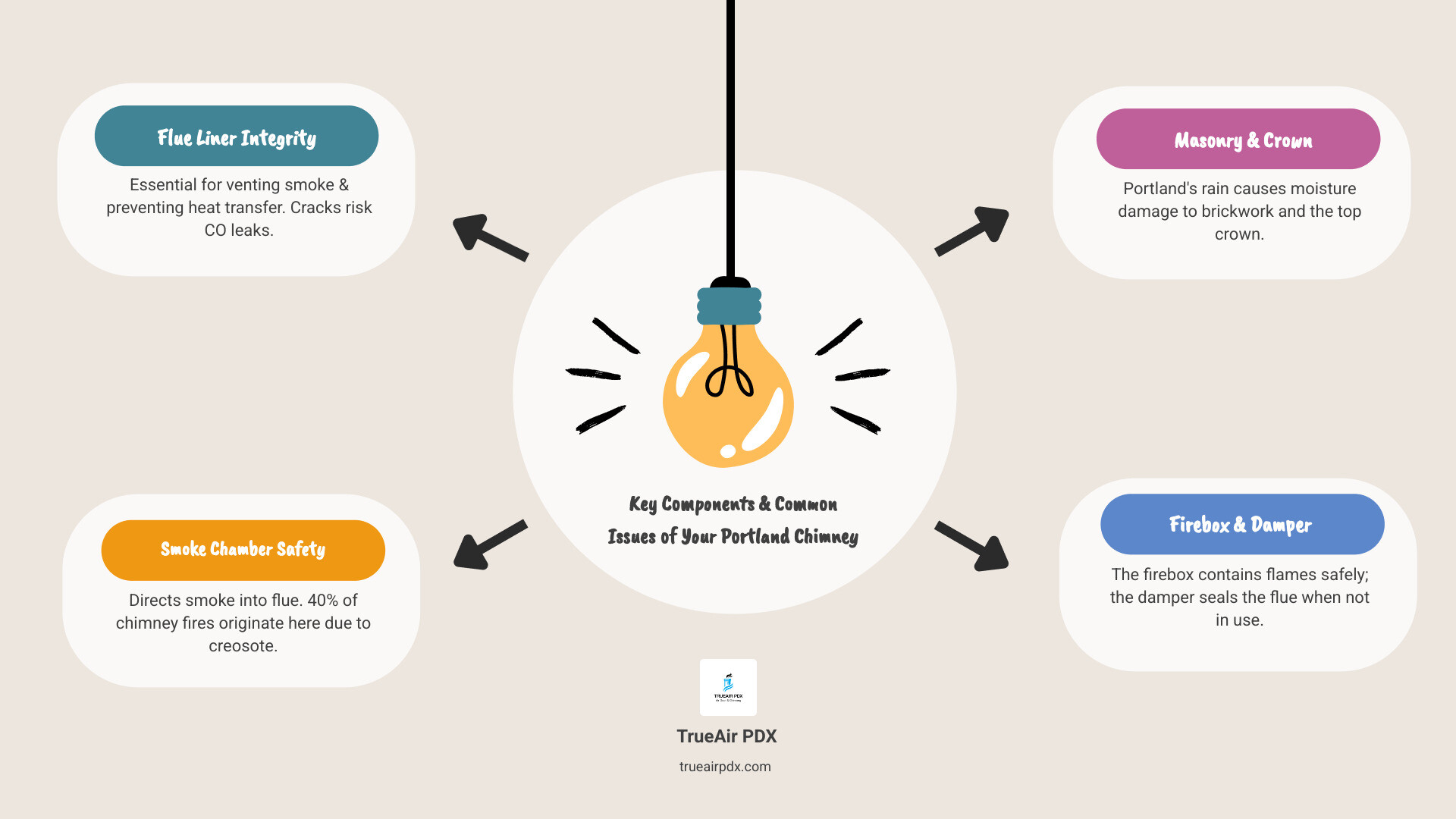
Portland’s long rainy seasons and steady moisture exposure create unique challenges for chimneys that homeowners in drier climates don’t face. While extreme temperatures aren’t the main threat here, water intrusion and aging masonry slowly break down chimney systems over time.
According to fire investigators, 40% of house fires starting from chimneys originate in the smoke chamber—an area most homeowners never see. Built-up creosote from neglected maintenance contributes to nearly one-third of all home heating fires nationwide. The National Fire Protection Association is clear: chimneys, fireplaces, and vents should be inspected at least once a year for soundness, freedom from deposits, and correct clearances.
Many Portland homeowners go decades without professional inspection, often because they’re unsure what’s involved or whether their system really needs attention. If you’ve noticed smoke backing into your room, lingering odors, water leaks around your chimney, or visible masonry damage, those are clear signs something needs checking.
Why a Chimney Inspection in Portland OR is Essential
Living in Portland, we cherish our cozy homes, especially during those long, rainy seasons. A functional fireplace or heating appliance can be a source of comfort and warmth. However, without regular professional chimney inspection portland or services, that comfort can quickly turn into a hazard. Our local climate, characterized by steady moisture and aging brickwork, poses specific challenges that make annual chimney inspections not just a recommendation, but a necessity for Portland homes, including those in Gresham, Beaverton, Tigard, and Milwaukie.
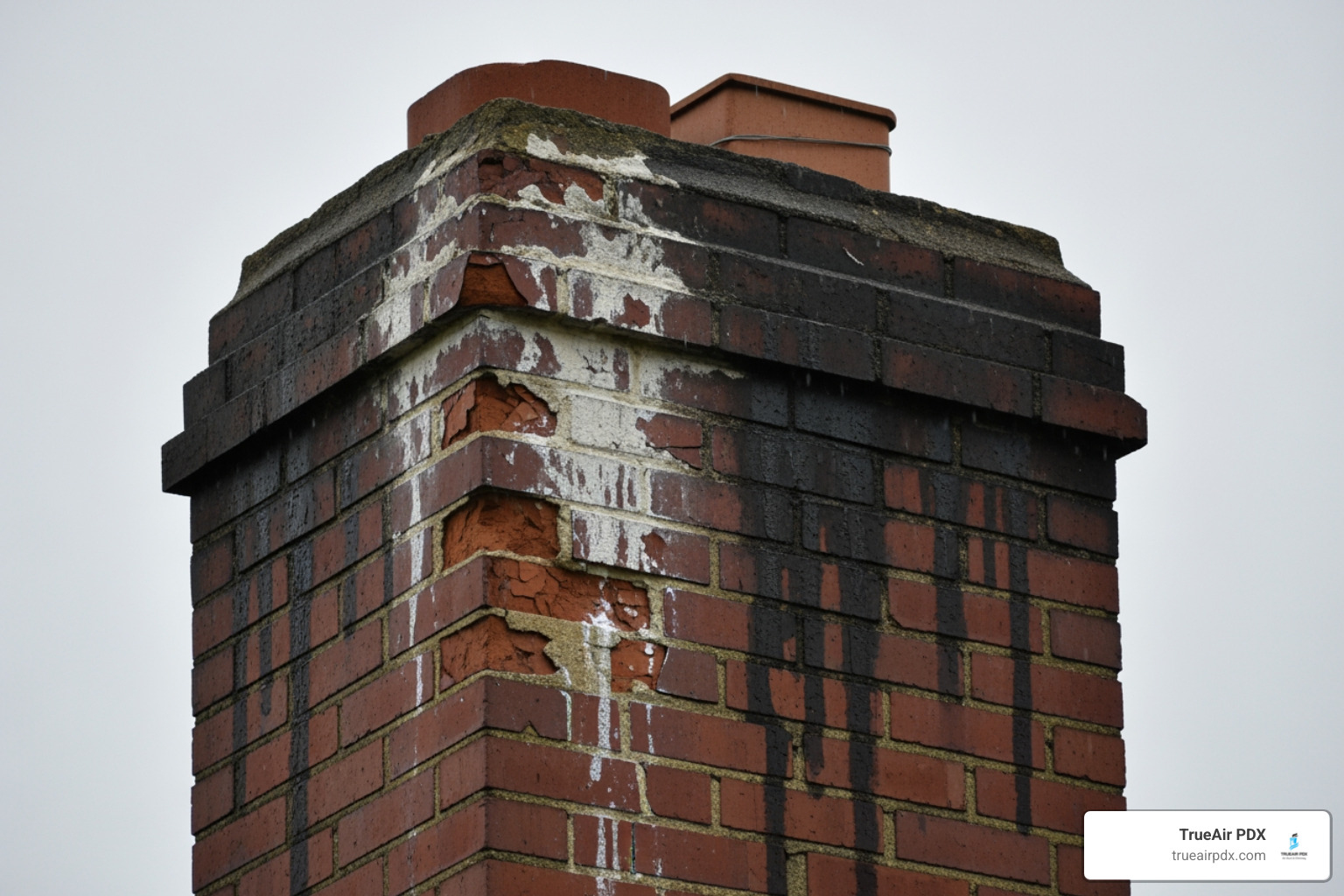
The biggest threats to chimneys in our beautiful city aren’t extreme temperatures, but rather the relentless long rainy seasons, constant moisture exposure, and the inevitable breakdown of aging brickwork over time. This consistent dampness can lead to several problems, such as water penetration, liner deterioration, and masonry issues that develop silently. These issues, if left unaddressed, can compromise the structural integrity of your chimney and create dangerous conditions.
One of the primary reasons we stress the importance of inspections is fire prevention. As the National Fire Protection Association (NFPA) highlights, unclean chimneys contribute to nearly one-third of all home heating fires. Built-up creosote, a highly combustible substance formed from unburnt wood particles, is a leading cause of chimney fires. Fire investigators estimate that a significant 40% of house fires that start from the chimney actually originate in the smoke chamber. This critical area, often out of sight, needs careful attention during an inspection to ensure it’s free from dangerous deposits and structurally sound.
Beyond fire safety, regular chimney inspections are vital for preventing carbon monoxide poisoning. A properly functioning chimney ensures that dangerous combustion gases, including the “silent killer” carbon monoxide, are safely vented out of your home. Obstructions, cracks, or damage in your chimney system can impede this process, causing gases to back up into your living space. The Mayo Clinic provides crucial information on the dangers of carbon monoxide poisoning, emphasizing that early detection and prevention are key to avoiding severe health consequences. For more insights into keeping your chimney clean and safe, you can always refer to our dedicated page on More info about Chimney Cleaning Portland.
When to Schedule a Level 2 Chimney Inspection in Portland OR
While annual inspections are generally recommended, certain situations specifically call for a more comprehensive Level 2 chimney inspection portland or. According to NFPA 211 standards, a Level 2 inspection is required when any changes are made to the chimney system or under specific circumstances that might indicate potential damage or risk.
You should schedule a Level 2 inspection in Portland, OR, if:
- You’re buying or selling a property: Upon the sale or transfer of a property, a Level 2 inspection is typically mandated. This ensures that the new homeowners are aware of the chimney’s condition and any potential safety hazards. It’s a crucial step for due diligence and peace of mind.
- There are changes to your fuel type or appliance: If you’re switching from a wood-burning fireplace to a gas insert, or replacing an old appliance with a new one that has a different input rating or efficiency, a Level 2 inspection is necessary. This confirms the existing flue system is compatible and safe for the new appliance.
- You’re making modifications to the chimney system: Any changes to the flue shape, materials, or adding a new appliance requires a Level 2 inspection to verify the system’s integrity and safety.
- After an external event or malfunction: Following a chimney fire, a building fire, a seismic event (like an earthquake), or severe weather that could have caused damage, a Level 2 inspection is critical. These events can compromise the chimney’s structure, even if damage isn’t immediately visible.
- Before flue relining: If you’re considering relining your chimney, a Level 2 inspection will assess the current condition of the flue and determine the best relining solution.
For detailed information on residential fee-paid inspection requests, including those that might involve chimney systems in Portland, you can visit the Portland.gov Residential Inspection Requests page.
Common Signs You Need a Chimney Inspection in Portland OR
Our chimneys are often out of sight, out of mind, until something goes wrong. However, your chimney system usually gives subtle (or not-so-subtle) hints when it needs professional attention. Being aware of these common signs can help you prevent minor issues from becoming major, costly problems or even safety hazards.
Keep an eye out for these indicators that it’s time for a professional chimney inspection portland or:
- Smoke backing up into the room: If your fireplace is pushing smoke into your living space instead of drawing it up the flue, it’s a clear sign of a blockage, poor draft, or a damaged flue. This isn’t just annoying; it’s a serious health risk due to carbon monoxide.
- Lingering odors: Persistent smoky or musty odors coming from your fireplace when it’s not in use can indicate creosote buildup, moisture problems, or even animal presence in the flue.
- Water leaks: Stains on your ceiling or walls near the chimney, water dripping into the firebox, or dampness around the chimney exterior are all signs of water intrusion. Portland’s rainy weather makes this a common issue, and it can lead to significant structural damage and mold.
- Damper malfunction: If your damper doesn’t open or close properly, it can affect ventilation and heating efficiency. A stuck-open damper can allow cold air in, while a stuck-closed one can cause smoke to back up.
- Visible masonry cracks or deterioration: Cracks in the chimney crown, missing mortar between bricks, or spalling (flaking) bricks on the exterior are signs of weathering and structural compromise. These can allow water to penetrate and weaken the entire structure.
- Creosote glaze or heavy buildup: While you might not see this directly, a professional inspection will reveal dangerous levels of creosote. If you’ve been burning unseasoned wood or noticing a particularly strong smell, this could be an issue. The Chimney Safety Institute of America (CSIA) recommends sweeping open masonry fireplaces at 1/8″ of sooty buildup, or sooner if glaze is present, as glaze is extremely difficult to remove and highly combustible.
If you observe any of these signs, don’t delay. Give us a call. It’s always better to be safe than sorry when it comes to your chimney’s health.
Understanding the Three Levels of Chimney Inspection
The National Fire Protection Association (NFPA) has established three distinct levels of chimney inspection to address various situations and ensure appropriate scrutiny of your chimney system. Each level builds upon the previous one, offering increasing depth of examination. Knowing which level of chimney inspection portland or you need is crucial for accurate assessment and safety.
Here’s a breakdown of the three levels:
| Inspection Level | When Recommended Level 1 Inspection: This is our basic, visual inspection, similar to checking a car’s oil. It’s recommended for chimneys under continued service, under the same conditions, and with the continued use of the same appliance. We examine readily accessible portions of the chimney’s exterior, interior, the appliance, and the chimney connection. The goal is to verify the basic soundness and ensure it’s free of obstructions and combustible deposits.
Level 2 Inspection: This is a much more in-depth inspection and often includes video scanning of the flue interior. As mentioned earlier, a Level 2 is required when any changes are made to the system (like fuel type changes, flue modifications, or appliance replacement/addition), upon the sale or transfer of a property, or after an operation malfunction or external event (such as a chimney fire, building fire, or seismic activity). It includes everything in a Level 1, plus a visual inspection by video scanning or other means to examine the internal surfaces and joints of all flue liners. It also covers accessible portions of the chimney exterior and interior, including attics, crawl spaces, and basements. For more details on what this entails, visit our page on Learn more about Level 2 Chimney Inspection.
Level 3 Inspection: This is the most comprehensive and invasive inspection. A Level 3 inspection is recommended when a Level 1 or Level 2 inspection suggests a hidden hazard and the extent of the damage cannot be determined without destructive examination. This means that portions of the chimney or building structure may need to be removed to gain access to concealed areas. This is usually done with the homeowner’s explicit consent, as it involves significant work to uncover the problem.
We always start with the least intrusive inspection necessary and recommend a higher level only if conditions warrant it. Our priority is your safety and providing you with a clear understanding of your chimney’s condition.
What Happens During a Professional Inspection?
When we perform a professional chimney inspection portland or for your home in areas like Northwest Portland, Southeast Portland, or the Pearl District, we’re not just glancing up the flue. We undertake a thorough, systematic evaluation of your entire chimney and venting system, using advanced tools and our certified expertise.
Here’s what our comprehensive inspection typically covers:
- Firebox and Smoke Chamber Condition: We carefully check the firebox for cracks, loose bricks, or deteriorating mortar. The smoke chamber, a critical area where 40% of chimney fires originate, is inspected to ensure its inner surfaces are parge coated smooth with insulating refractory mortar, as per NFPA 211 Standard 11.2.1.13. This smooth surface is crucial for efficient smoke flow and fire containment.
- Chimney Liner Integrity: The flue liner is your chimney’s first line of defense against heat and corrosive byproducts. Whether you have a clay tile, metal, or cast-in-place liner, we examine it for cracks, gaps, spalling, or deterioration. For Level 2 inspections, we use specialized video camera flue scanning to get an unobstructed view of the entire length of the liner, identifying even hairline fractures or misalignments that are invisible from above or below.
- Flue Obstructions and Creosote Buildup: We check for any blockages that could impede proper drafting, such as bird nests (especially those from our local chimney swifts, an endangered species that find perfect nesting spots inside chimneys – a cap can prevent their return!), leaves, or debris. We also assess creosote buildup. The Chimney Safety Institute of America (CSIA) recommends sweeping open masonry fireplaces at 1/8″ of sooty buildup, or sooner if glaze is present, to prevent chimney fires.
- Chimney Crown, Cap, Flashing, and Masonry Joints: Above the roofline, we inspect the chimney crown for cracks that could allow water intrusion. The chimney cap, if present, is checked for proper fit and condition, as it’s vital for keeping out rain, debris, and animals. We examine the flashing where the chimney meets the roof, ensuring it’s sealed and preventing leaks. All exterior masonry joints are checked for deterioration that could compromise the chimney’s structural integrity.
- Draft Performance and Venting Safety: We may perform draft testing to ensure your chimney is pulling combustion gases effectively. Proper draft is essential for both efficiency and safety, preventing smoke and carbon monoxide from entering your home.
Our certified chimney inspectors use a range of advanced tools and diagnostic methods to ensure a thorough inspection. This includes high-resolution video cameras for internal flue scanning, specialized moisture detection tools to identify hidden water intrusion, and draft testing equipment. During any subsequent cleaning, we use commercial-grade rotary brushes and powerful HEPA filter vacuums to ensure a comprehensive clean without spreading dust or allergens throughout your home.
Speaking of our feathered friends, if you’re curious about the protected chimney swifts that sometimes nest in local chimneys, the Audubon Society on Chimney Swifts offers fascinating insights. We can help install a chimney cap to prevent their return, ensuring your chimney is clear for safe use.
Risks of Neglect and the Benefits of Certified Maintenance
Neglecting regular chimney inspection portland or and maintenance can lead to far more than just a smoky smell in your living room. The risks range from serious fire hazards to significant structural damage, and even life-threatening carbon monoxide exposure. We’ve seen the consequences of putting off these vital services in homes across Portland, Gresham, and Beaverton.
One of the most immediate dangers is a chimney fire. This can occur when excessive creosote buildup ignites. As we know, built-up creosote caused by neglecting proper chimney maintenance can result in extensive damage. The National Fire Protection Association Standard 211 says, ‘Chimneys, fireplaces, and vents shall be inspected at least once a year for soundness, freedom from deposits, and correct clearances.’ If you use an open masonry fireplace, the Chimney Safety Institute of America (CSIA) recommends sweeping at 1/8″ of sooty buildup. Ignoring this threshold is like playing with fire, literally.
Beyond fires, neglect can lead to structural failure. Portland’s unique climate, with its long rainy seasons and constant moisture, can cause masonry to deteriorate over time. Water intrusion can freeze and expand, leading to cracks, spalling, and eventually, the collapse of portions of your chimney. This can be an expensive repair and a safety risk for anyone near the chimney.
Another silent but deadly risk is carbon monoxide poisoning. A damaged or obstructed flue can prevent the proper venting of combustion gases, allowing this odorless, colorless gas to seep into your home. This is why annual inspections are not just about fire safety but also about ensuring your family’s health.
The benefits of hiring a certified and experienced chimney sweep in Portland are immense. Our technicians are nationally certified by organizations like the Chimney Safety Institute of America (CSIA), meaning they adhere to the highest industry standards and best practices. This certification ensures they have the knowledge and tools to identify potential hazards that an untrained eye might miss.
Unlike a general home inspection, which provides a broad overview of a property, a chimney inspection portland or is a specialized, in-depth look at your specific venting system. A general home inspector might note visible exterior issues, but they typically lack the specialized tools (like video scanners) and expertise to thoroughly evaluate the internal components of your flue, firebox, and smoke chamber. We dig deep to assess structural integrity, proper clearances, creosote levels, and the functionality of all components.
If damage is found during an inspection, we provide transparent estimates and discuss all repair options with you. Our goal is to ensure your chimney system is safe and efficient, whether that means a simple cleaning, a minor repair, or a more extensive rebuild. For any chimney repair needs in Portland, you can learn more about our comprehensive services at Portland Chimney Repair services. We’re here to guide you through the process and restore your chimney to optimal condition.
Frequently Asked Questions about Portland Chimney Safety
We understand that homeowners often have many questions about chimney maintenance, especially given Portland’s unique environmental factors. Here are some of the most common questions we hear regarding chimney inspection portland or.
How often should a chimney inspection be performed in Portland, Oregon?
The consensus among fire safety experts is clear: at least once a year. The National Fire Protection Association (NFPA) recommends you have your fireplace and chimney cleaned and inspected annually. This isn’t just for heavy users; even if your fireplace isn’t used often, Portland’s wet climate can cause moisture damage, liner deterioration, and masonry issues that develop quietly over time.
For those who regularly burn wood for heat in areas like Montavilla or Alberta Arts District, an annual cleaning and inspection is absolutely critical due to creosote buildup. Even if you only use your fireplace a few times a year for ambiance, an annual inspection ensures that the system hasn’t been compromised by weather, animals, or subtle structural shifts that are common in our region. Our long rainy seasons mean that water can constantly work its way into small cracks, expanding and contracting with temperature changes, and slowly degrading your chimney.
What should homeowners do if damage is found during a chimney inspection?
If our certified inspectors find damage during your chimney inspection portland or, don’t panic! Our first step is always to provide you with a clear explanation of the issue, why it matters, and what your options are. We believe in transparency and education.
You’ll receive a detailed report, often accompanied by photos or video from our internal flue scanning, illustrating the damage. We’ll then provide transparent estimates for any necessary repairs, outlining the scope of work and associated costs. There’s no pressure to proceed immediately with repairs, but we will always advise you on the safety implications.
If the damage poses an immediate safety risk (e.g., a severe creosote buildup, a major flue obstruction, or a structural compromise), we will recommend that you refrain from using your appliance until repairs are completed. Your family’s safety is our top priority. We’re here to answer all your questions, help you understand the repair process, and ensure your chimney system is brought back to safe operating condition.
How does a chimney inspection differ from a general home inspection?
While both are valuable for homeowners, a chimney inspection portland or is significantly more specialized and in-depth than a general home inspection. Think of it this way: a general home inspector is like a general practitioner, checking the overall health of your house. A certified chimney inspector is a specialist, focusing solely on the intricate and potentially dangerous aspects of your chimney and venting system.
Here’s how they differ:
- Specialized Tools: General home inspectors typically do not use advanced diagnostic tools like high-resolution video cameras for internal flue scanning, specialized moisture meters for hidden leaks, or draft testing equipment. Our chimney inspectors are equipped with these tools to get a comprehensive view of your system from the inside out.
- Internal Flue Scanning: A standard home inspection might involve a visual check of the chimney’s exterior and a quick peek into the firebox. However, it rarely includes a thorough examination of the flue liner’s entire length—a critical component for safety. We use video technology to thoroughly inspect the internal flue surfaces and joints.
- Code Compliance: Certified chimney inspectors are experts in NFPA 211 standards and local building codes specific to chimney construction and maintenance. They can identify code violations related to clearances to combustibles, proper liner materials, and structural requirements that a general inspector might miss.
- Structural Fire Safety: Our focus is entirely on the fire safety and structural integrity of your venting system. We’re looking for creosote buildup, blockages, cracks, and other defects that pose a direct risk of fire or carbon monoxide poisoning—issues that require specialized knowledge to identify and assess.
A general home inspection might tell you if you have a chimney, but a professional chimney inspection portland or tells you how safe and functional that chimney truly is. We often recommend a Level 2 chimney inspection when buying or selling a home, even if a general home inspection has been conducted, to ensure this critical system is thoroughly evaluated.
Conclusion
Ensuring the safety and efficiency of your home’s chimney system in Portland is not something to overlook. With our unique climate and the inherent risks associated with heating appliances, regular and professional chimney inspection portland or services are an investment in your peace of mind and your family’s well-being. From preventing dangerous chimney fires and carbon monoxide leaks to addressing moisture damage and structural deterioration, our certified experts at TrueAir PDX are here to protect your home.
We pride ourselves on providing professional, eco-friendly, and transparent service across Portland and its surrounding communities, including Sellwood, NW District, Hawthorne, and Laurelhurst. Our commitment is to deliver comprehensive home air system cleaning, ensuring cleaner air, reduced fire risk, and a safer home environment for you and your loved ones. Don’t wait for a problem to arise; proactive maintenance is always the best approach.
Ready to schedule your chimney inspection or have more questions? We’re here to help.
Get A Free Quote today, or learn more about our comprehensive services on our More info about Chimney Cleaning Portland page.