

Why You Need to Remove Dryer Lint Regularly
Remove dryer lint from your dryer vent system at least every 6-12 months to prevent house fires, improve drying efficiency, and reduce energy costs. Here’s what you need to know:
Quick Answer: How to Remove Dryer Lint
- Clean the lint screen after every load by hand
- Deep clean the lint trap housing every 6 months with a brush and vacuum
- Disconnect and clean the vent hose using a dryer vent brush
- Clear the wall duct with an extendable brush from both ends
- Clean the exterior vent cover and check for obstructions
If you’re like most homeowners, you probably clean the lint screen after each load and think you’re done. But here’s the alarming truth: that’s only the beginning.
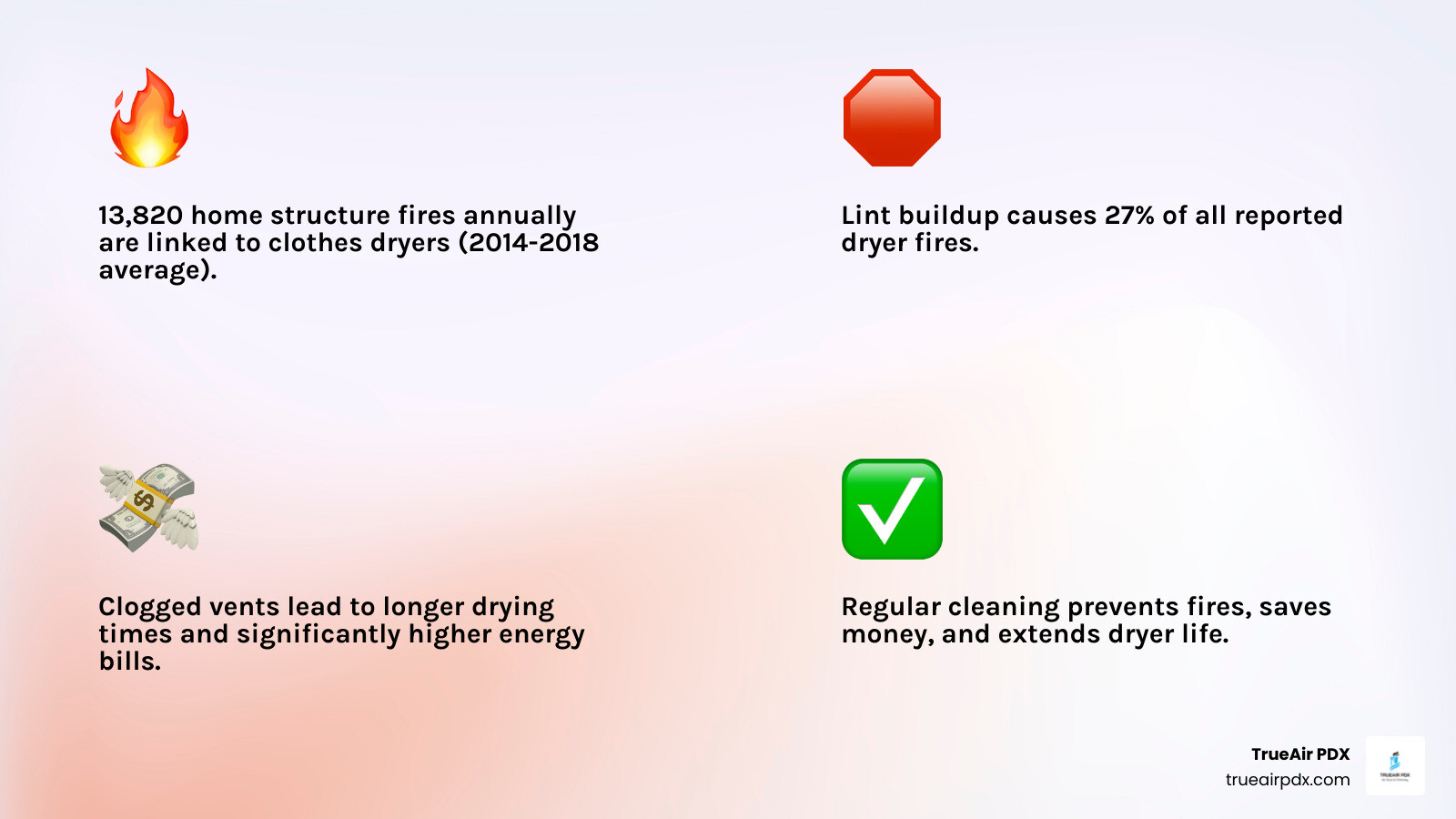
According to the U.S. Fire Administration, clothes dryers were involved in an average of 13,820 home structure fires per year from 2014-2018. The National Fire Protection Association reports that 27% of these fires were caused by dust, fiber, and lint buildup.
Beyond the fire risk, a clogged dryer vent makes your dryer work harder and longer. You’ll notice clothes taking forever to dry, higher energy bills, and that burning smell that makes you nervous every time you start a load.
The good news? Cleaning your dryer vent is simpler than you think. You don’t need special skills or expensive equipment. With basic tools and about 30-45 minutes, you can dramatically reduce your fire risk and cut your drying time in half.
This guide walks you through exactly how to remove dryer lint from every part of your dryer system, from the lint screen to the exterior vent cover.
The Alarming Risks of a Clogged Dryer Vent
We all love the convenience of a clothes dryer, but without proper maintenance, this household appliance can become a hidden hazard. The biggest culprit? Lint. While it may seem harmless, lint is highly combustible, and its buildup is a major fire risk. According to the National Fire Protection Association, dryers are one of the leading causes of home fires, and excess lint is often the culprit. In fact, clothes dryers were involved in about 9% of reported home structure fires, with lint, dust, and fiber accounting for 27% of these incidents. This isn’t just about statistics; it’s about the safety of your home and family here in Portland, Gresham, Beaverton, or any of our surrounding communities.
Beyond the immediate fire danger, a clogged dryer vent can lead to several other problems:
- Appliance Breakdown and Overheating: When lint restricts airflow, your dryer has to work much harder to dry clothes. This causes the machine to overheat, which can damage internal components, shorten its lifespan, and lead to expensive repairs or even a complete breakdown. You might notice your dryer shutting off mid-cycle, a common sign of overheating.
- Carbon Monoxide Risk (for Gas Dryers): If you have a gas dryer, a blocked vent can prevent exhaust gases, including carbon monoxide, from escaping properly. This toxic gas can then back up into your home, posing a serious health risk.
- Reduced Efficiency and Longer Drying Times: A clogged vent means moist, hot air can’t escape efficiently. Your clothes will take significantly longer to dry, sometimes requiring multiple cycles. This not only wastes your precious time but also leads to the next point.
- Higher Energy Bills: More cycles and longer drying times mean your dryer consumes more energy. This translates directly to higher utility bills, costing you money that could be saved with a clean vent.
- Musty Clothes: When clothes don’t dry completely or quickly, they can retain moisture and develop a musty odor, even after being “dried.” This is a tell-tale sign that your dryer isn’t performing as it should.
Signs of a Clog
How can you tell if your dryer vent is becoming a fire hazard or just inefficient? Look out for these warning signs:
- Clothes taking longer than usual to dry: If a load that typically dries in 45 minutes now takes an hour and a half, your vent is likely clogged.
- Clothes are very hot to the touch or still damp after a full cycle: This indicates that the dryer is working overtime but not effectively removing moisture.
- The exterior of the dryer feels unusually hot: This is a clear sign of overheating due to restricted airflow.
- A burning smell: This is a critical warning sign. Lint can start to scorch when exposed to excessive heat, and that smell means you’re at risk of a fire.
- No air or very weak airflow from the exterior vent hood: Go outside while your dryer is running (on a heat setting). If you don’t feel a strong blast of warm, moist air, your vent is obstructed. You might also notice the exterior vent hood flaps not opening properly.
- Excessive lint on clothes: If your clothes are coming out with more lint than usual, it could mean lint is accumulating within the dryer system rather than being properly exhausted.
- An “error” message on newer dryer models: Some modern dryers are equipped with sensors that can detect airflow issues and display an error.
How Lint Traps Work and Why Lint Bypasses the Trap
A dryer’s lint trap is designed to catch the majority of fibers that come off your clothes during the drying cycle. As hot air tumbles your laundry, it loosens these tiny fibers, which are then carried by the airflow towards the exhaust system. The lint screen acts as a filter, trapping these particles before the air exits through the vent hose and ductwork.
However, lint traps are not 100% effective. Microscopic lint particles can still slip through the mesh screen. Over time, these smaller particles accumulate in the lint trap housing, the dryer vent hose, and the rigid ductwork inside your walls. Additionally, residue from fabric softeners and dryer sheets can build up on the lint screen itself, creating a sticky film that reduces its effectiveness and restricts airflow, even if it appears clean of visible lint. This sticky residue can also trap more lint, further exacerbating the problem. This is why it’s so important to clean beyond just the lint screen.
Essential Tools and Supplies for Cleaning
Before we dive into the steps, let’s gather our arsenal. Most of these items are probably already in your home or easily acquired from your local hardware store.
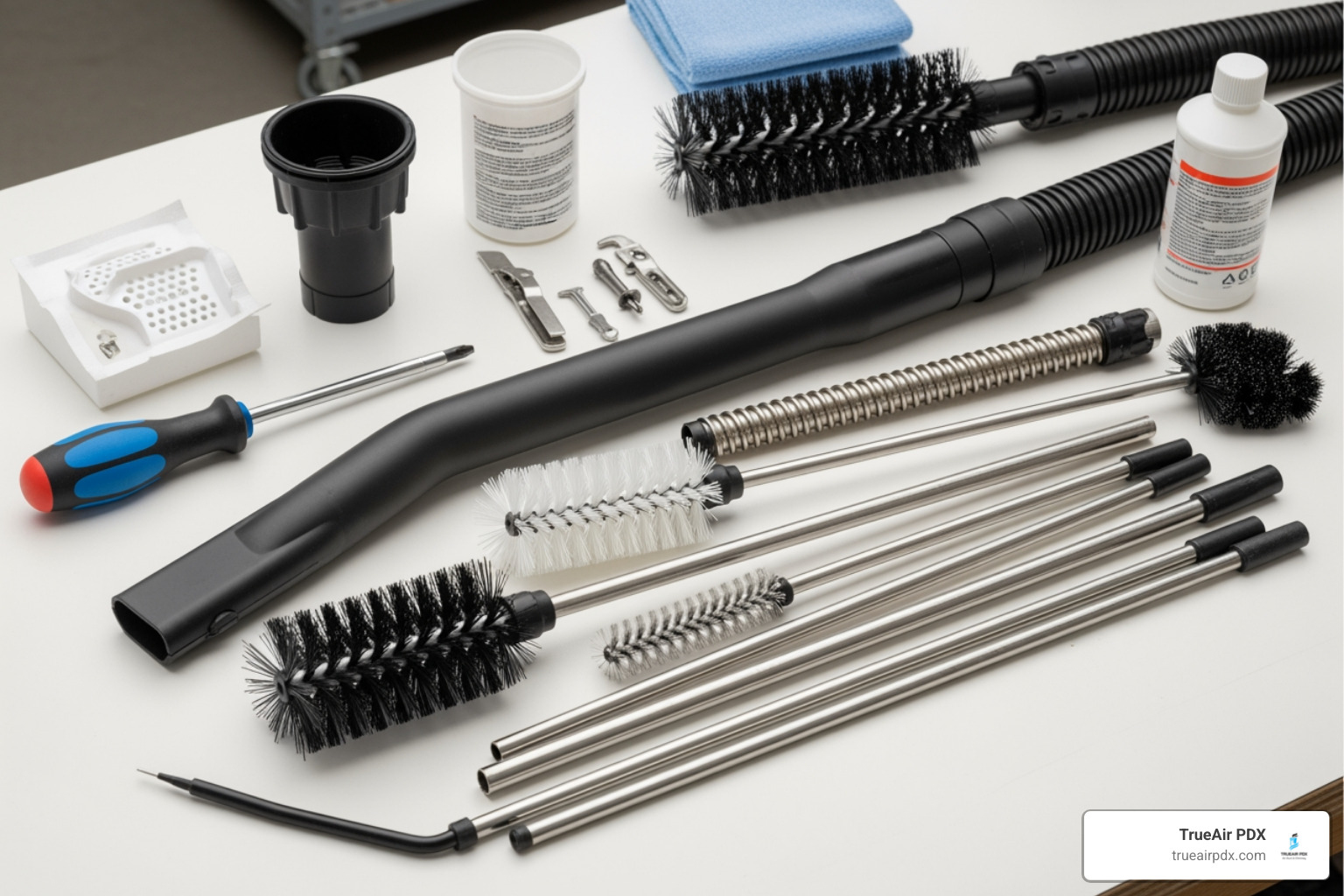
Here’s what we recommend you have on hand to effectively remove dryer lint from your entire system:
- Screwdriver: You’ll likely need this to loosen clamps on the vent hose and possibly remove the cover of your lint trap compartment or exterior vent.
- Vacuum cleaner with hose attachment: A powerful vacuum, especially a shop vac, is invaluable for sucking up loose lint. A crevice tool or a long, narrow attachment will help you reach into tight spaces.
- Dryer cleaning kit: These kits typically include long, flexible brushes with extendable rods, specifically designed to reach deep into your dryer vent hose and wall duct.
- Dust mask: Lint can be dusty, and you don’t want to inhale it.
- Microfiber cloth: Great for wiping down surfaces and cleaning the lint screen.
- Flashlight or headlamp: Essential for peering into dark areas like the lint trap housing and the dryer duct.
- Nylon brush: Useful for scrubbing the lint screen during deep cleaning and for loosening lint in the trap compartment.
- Gloves (optional): To keep your hands clean.
- Trash bags: For disposing of the removed lint.
How to Remove Dryer Lint: A 5-Step Deep Cleaning Guide
Safety is our top priority! Before you start, always remember these crucial steps:
- Unplug the dryer: For electric dryers, simply pull the plug from the wall outlet.
- Shut off the gas valve: If you have a gas dryer, locate the gas shut-off valve behind the appliance and turn it to the “off” position. This is usually a yellow handle that needs to be perpendicular to the gas pipe.
- Pull the dryer away from the wall: Gently slide your dryer forward, giving yourself enough space to access the back of the machine and the vent hose.
Step 1: How to remove dryer lint from the screen and housing
This is the most frequent cleaning you’ll do, and it’s essential for daily efficiency and safety.
- Basic Cleaning (After Every Load): After every single load of laundry, remove the lint screen, gently pull off the accumulated lint with your fingers, and then firmly replace the screen. This simple habit prevents a significant amount of lint from entering your vent system.
- Deep Cleaning (Every 6 Months or As Needed): Over time, dryer sheets and fabric softeners can leave a waxy or greasy residue on your lint screen. This residue clogs the tiny holes in the mesh, even if it looks clean, reducing airflow and making your dryer less efficient.
- The Water Test: To check for residue buildup, remove the lint screen and run water over it. If the water beads up or pools on the screen, you have residue. If the water flows through freely, you’re good to go!
- Deep Cleaning Process: If residue is present, we recommend deep cleaning the lint screen. Wet a nylon brush with hot water and a good degreasing dish soap (like Blue Dawn). Gently scrub both sides of the screen to remove the buildup. Rinse thoroughly with hot water until the water flows freely, then dry completely with a clean towel before replacing it.
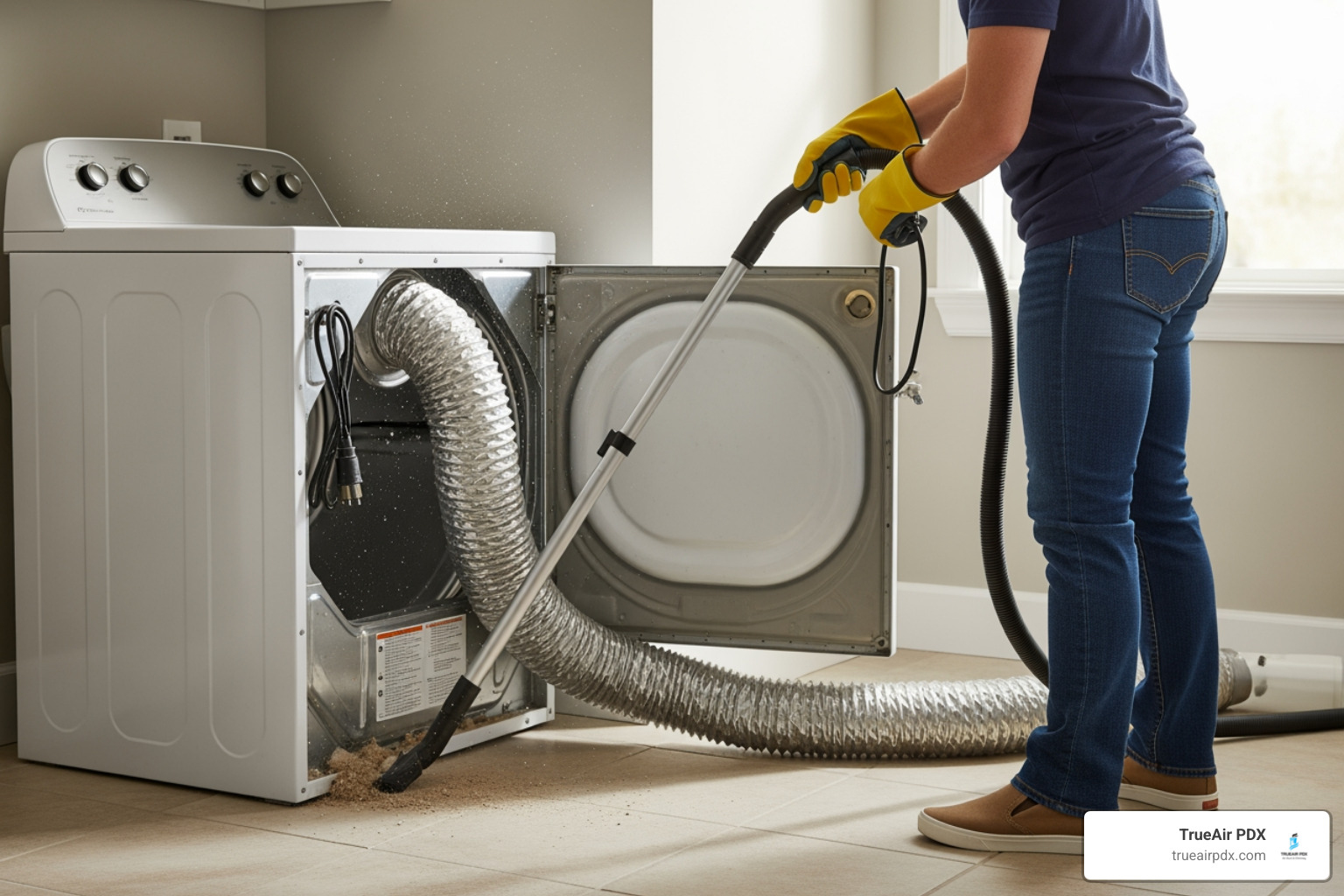
- Clean the Lint Trap Housing: While the lint screen is out, use your vacuum cleaner’s hose attachment (with a crevice tool if possible) to reach down into the lint trap compartment. You’d be surprised how much lint collects here! A lint vent cleaning brush can help loosen stubborn lint before you vacuum it out.
- For more detailed guidance on maintaining this crucial component, check out our article on cleaning the lint filter on a dryer.
Step 2: Clean the Dryer Vent Hose
The flexible hose that connects your dryer to the wall duct is a common spot for lint accumulation.
- Disconnect the Hose: Carefully reach behind your dryer. You’ll see the vent hose secured to the back of the dryer and to the wall duct with clamps. Use your screwdriver to loosen these clamps and gently detach the hose. Be careful not to damage the hose, especially if it’s a foil or plastic type.
- Clean Inside the Hose: Take the disconnected hose outside or to an area where you don’t mind making a mess. Use a dryer vent brush (often found in those dryer cleaning kits) to scrub the inside of the hose, loosening any lint buildup. Push the brush through from both ends if possible. You can also carefully shake the hose to dislodge lint. Use your vacuum cleaner to suck up any lint that falls out.
- Inspect for Damage: While cleaning, inspect the hose for any tears, kinks, or crushing. Damaged hoses can restrict airflow and should be replaced. We recommend rigid or semi-rigid metal ducting for optimal safety and efficiency.
Step 3: Clear the Dryer Duct in the Wall
This is where lint can really pack in, creating a serious fire hazard.
- Insert the Cleaning Brush: From the opening in the wall (where the dryer hose was connected), insert your dryer vent cleaning brush. These brushes often come with extendable rods, allowing you to reach deep into the ductwork.
- Rotate and Pull: As you push the brush in, rotate it to dislodge lint from the sides of the duct. Slowly pull the brush back out, and you’ll likely be amazed at the amount of lint that emerges. Repeat this process until the brush comes out clean.
- Vacuum Out Dislodged Lint: After brushing, use your vacuum cleaner’s hose to suck out any remaining loose lint from the duct.
- Work from Both Ends (If Possible): If your dryer vent duct is long or has many turns, it’s often most effective to clean it from both the inside (where the dryer connects) and the outside (the exterior vent cover). This ensures thorough cleaning.
Step 4: Clean the Exterior Vent Cover
The final frontier of your dryer vent system is the cover on the outside of your home.
- Locate and Remove Cover: Find the dryer vent cover on the exterior of your house. This might be on a side wall or even the roof. Carefully remove any screws or clips holding the cover in place.
- Clean Flaps and Screen: Lint, dust, and even bird or rodent nests can block this opening. Remove any visible lint or debris. Some older vent covers have screens to keep pests out, but these can also trap lint and become a fire hazard. If your screen is clogged, clean it thoroughly or consider replacing the vent cover with one that doesn’t have a screen, relying instead on a vent guard.
- Remove Obstructions: We’ve seen it all – bird nests, wasp nests, even small animals. Clear any obstructions completely.
- Install a Vent Guard (Optional but Recommended): To prevent critters from entering your vent system in the future, consider installing a vent guard. This allows air to escape freely while keeping pests out.
Step 5: Reassemble and Test Your Dryer
You’re almost done! Now it’s time to put everything back together and ensure it’s working correctly.
- Reconnect the Hose: Carefully reattach the dryer vent hose to the back of your dryer and the wall duct. Ensure the connections are snug and secure, then tighten the clamps with your screwdriver. Avoid crimping or crushing the hose.
- Plug in Dryer and Turn on Gas: Reconnect the power cord to the electrical outlet. If you have a gas dryer, turn the gas valve back to the “on” position (parallel with the gas pipe).
- Push Dryer Back: Gently slide your dryer back into its original position, being careful not to kink or disconnect the vent hose.
- Test Dryer: Run your dryer on an “air-dry” or low-heat cycle for about 10-15 minutes. Go outside and check the exterior vent. You should feel a strong, consistent airflow. This test also helps to blow out any residual lint that might have been dislodged but not vacuumed. If the airflow isn’t strong, or if you hear unusual noises, you might still have an obstruction or a poorly connected hose.
Beyond the Vent: Removing Lint from Clothes
While cleaning your dryer vent system is paramount for safety and efficiency, sometimes lint still ends up on your clothes. Whether it’s from new items, static cling, or just stubborn fibers, we’ve got some tricks up our sleeves to help you keep your wardrobe lint-free.
Recommended methods to remove dryer lint from fabric
- Damp Scouring Pad: This might sound unconventional, but a slightly damp scouring pad (the scratchy green kind) can be surprisingly effective. Just dampen it to soften, then gently rub it across the linty fabric. It works wonders, especially on wool!
- Wool Dryer Balls: While primarily used in the dryer to reduce drying time and static, a clean wool dryer ball can also be rubbed directly on dry clothes to pick up lint.
- Masking Tape: Similar to a lint roller, masking tape (especially wider varieties like 3 inches wide) can be wrapped around your hand, sticky side out, to pick up lint. It’s a great substitute if you don’t have a dedicated lint roller.
- Handy lint rollers: These are the classic for a reason! Keep one in your laundry room, car, or even your desk drawer for quick lint removal.
Methods to avoid when cleaning clothes
While there are many DIY hacks circulating, some methods can be detrimental to your clothes or even your appliances.
- Vinegar in the Washer: Adding distilled white vinegar to your laundry during the final rinse cycle can help remove fuzz. However, most washing machine manufacturers advise against using vinegar in their appliances because it can damage the seals over time. We want to keep your appliances in top shape, so we generally recommend against this method.
- Pumice Stone: While some suggest using a pumice stone for lint, we advise extreme caution. It’s often too abrasive and can easily damage delicate fabrics, leading to pilling or even holes. Save the pumice stone for your feet, not your favorite sweater!
- Contact Paper (Self-Adhesive Drawer Liners): Similar to masking tape, the sticky side of contact paper can pick up lint. However, it’s generally much more expensive and wasteful than masking tape or a dedicated lint roller, making it an inefficient choice.
Frequently Asked Questions
We know you might have more questions about keeping your dryer lint-free and your home safe. Here are some of the most common ones we hear from our neighbors in Portland, Tigard, and beyond.
How often should I deep clean my dryer vent?
We recommend a thorough deep cleaning of your entire dryer vent system at least once every 6 to 12 months. This includes the lint trap housing, the vent hose, and the wall duct.
However, you might need to clean it more frequently if:
- You have a large family and do a lot of laundry.
- You frequently dry items that produce a lot of lint (e.g., towels, pet bedding).
- Your dryer vent run is particularly long or has many bends.
- You live in an older home with less efficient venting.
- You notice any of the signs of a clogged vent mentioned earlier.
For specific tips custom to our local community, check out our Beaverton dryer vent cleaning tips.
What are the signs my dryer vent is clogged?
It’s crucial to recognize the symptoms of a clogged dryer vent early to prevent fire hazards and maintain efficiency. Here are the key signs to watch for:
- Clothes take longer to dry or require multiple cycles to get completely dry.
- Clothes are unusually hot to the touch after a cycle, or they feel damp.
- A burning smell comes from the dryer or laundry room during operation.
- The dryer itself is hot to the touch, especially on the top or back.
- There’s excessive lint on your clothes or around the dryer vent opening.
- The outdoor vent flap doesn’t open when the dryer is running, or airflow is weak.
- High humidity in the laundry room.
If you’re experiencing any of these issues, your dryer is not venting properly, and it’s time for a thorough cleaning.
Can I clean the dryer vent myself?
Yes, for many homeowners, cleaning the dryer vent yourself is a manageable and highly recommended DIY task. As we’ve outlined in this guide, with a few basic tools and some time, you can significantly improve your dryer’s performance and reduce fire risks.
However, there are situations where calling a professional is the best course of action:
- Long or Complex Vent Paths: If your dryer vent runs a long distance, through walls, or has multiple sharp turns (especially common in apartments or homes with laundry rooms far from exterior walls), it can be very difficult to clean effectively with standard DIY kits.
- Signs of a Major Blockage: If you’ve tried cleaning and still experience severe symptoms, or if you suspect a very dense blockage that your tools can’t handle, a professional has specialized equipment to clear it.
- Pest Infestation: Finding a bird’s nest or rodent activity in your vent system requires careful removal and often sanitization that’s best left to experts.
- Lack of Confidence or Time: If you’re uncomfortable with the process or simply don’t have the time, a professional cleaning service can provide peace of mind and ensure the job is done right.
Conclusion: Keep Your Home Safe and Efficient
Cleaning your dryer vent system isn’t just another chore; it’s a vital part of home maintenance that directly impacts your safety, wallet, and peace of mind. By regularly taking the steps to remove dryer lint from your lint screen, hose, and ductwork, you’re investing in:
- Improved Fire Safety: Drastically reducing the risk of a dangerous dryer fire.
- Energy Savings: Improving your dryer’s efficiency means less energy consumption and lower utility bills.
- Longer Appliance Life: Preventing overheating and strain helps your dryer last longer, delaying costly replacements.
- Faster Drying Times: Getting your laundry done quicker means more time for you!
You’ve got this! Performing these deep cleaning steps every 6-12 months is a simple yet powerful way to keep your home safe and your appliances running smoothly.
However, we understand that sometimes the job can be too big, too complex, or you simply prefer to leave it to the experts. If you’re in Portland, Gresham, Beaverton, Tigard, Milwaukie, or any of our surrounding service areas and need professional assistance with your dryer vent cleaning, our team at TrueAir PDX is here to help. We have the specialized tools and expertise to ensure your dryer vent system is thoroughly cleaned, efficiently and safely.
Don’t wait for a problem to arise. Schedule your professional Dryer Vent Cleaning today and breathe easier knowing your home is protected.