
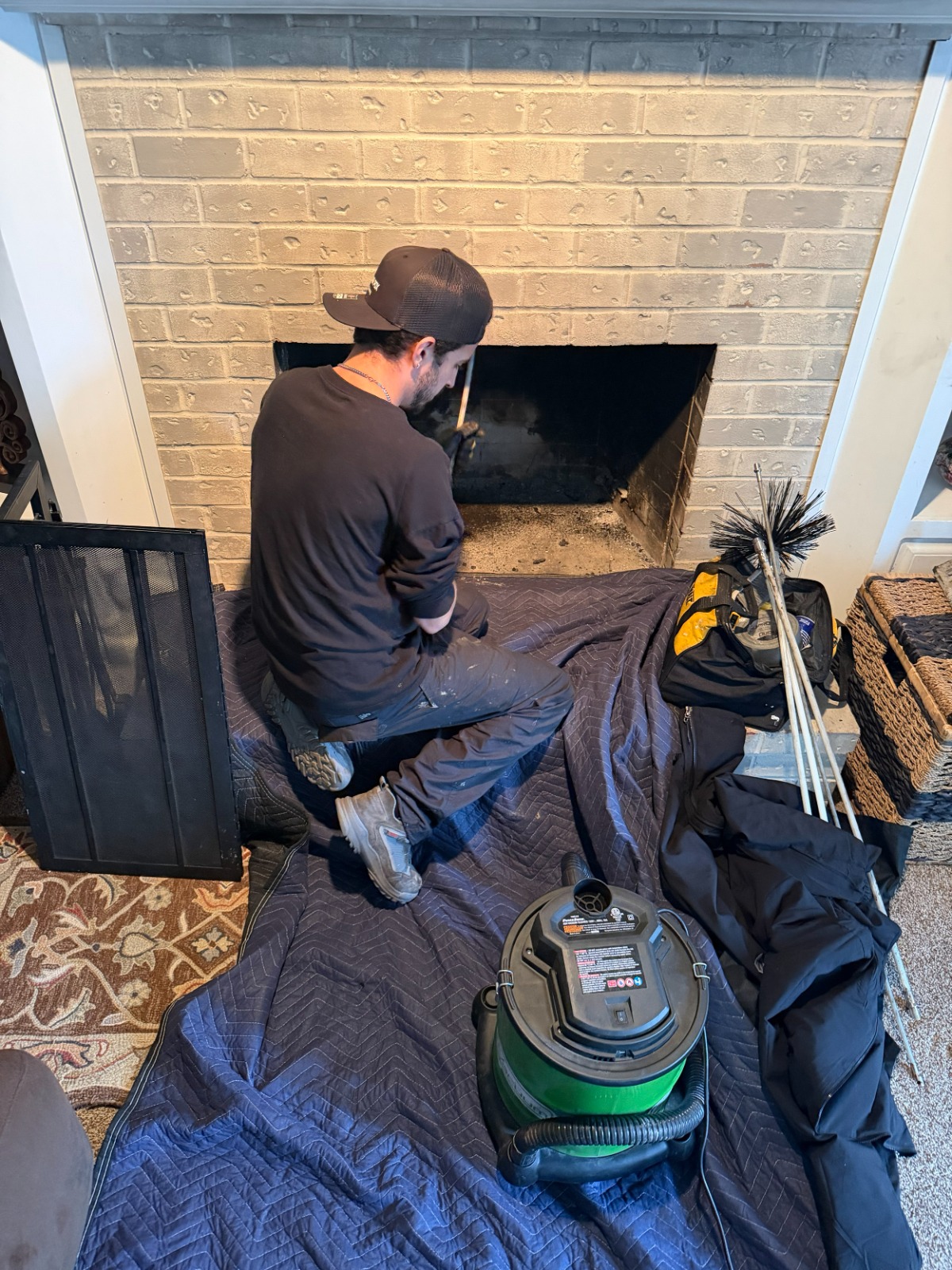
A chimney is easy to ignore until smoke backs up into the living room, rainwater leaks through the ceiling, or loose bricks start appearing near the fireplace. Across Portland, more homeowners are discovering that chimney problems often begin quietly and grow worse over time, especially with the region’s long wet seasons and aging home structures.
In 2026, homeowners are becoming far more proactive about fireplace safety and structural maintenance. Instead of waiting for major repairs, many are investing in preventative inspections, waterproofing systems, and long-term masonry protection. The shift is largely driven by rising repair costs and growing awareness of hidden moisture damage.
TrueAir PDX has seen a major increase in homeowners requesting detailed inspections before visible chimney failure occurs. That proactive approach is helping many Portland residents avoid emergency repairs and extend the life of their chimney systems.
Why Portland Chimneys Are Under More Stress Than Ever
Portland’s weather creates ideal conditions for chimney deterioration. Constant exposure to rain, moisture absorption, and temperature fluctuations slowly weaken masonry materials. Older brick chimneys are especially vulnerable because many were built decades ago using materials that were never designed for today’s weather extremes.
Even newer homes can experience problems when flashing, liners, or chimney caps are poorly installed or improperly maintained.
Several factors are contributing to increased chimney repair needs in 2026:
- Heavier seasonal rainfall
- Aging masonry structures
- Deferred home maintenance
- Increased fireplace use during winter
- Poor chimney ventilation
- Moisture trapped inside brick surfaces
Small cracks can expand quickly once water enters the structure. Over time, freeze-thaw cycles cause bricks and mortar joints to deteriorate faster than many homeowners expect.
The Hidden Warning Signs Homeowners Often Miss
One of the biggest challenges with chimney damage is that many issues remain hidden until they become expensive. A chimney may appear stable from the outside while internal moisture damage continues spreading beneath the surface.
Common warning signs include:
Water Stains Around the Fireplace
Brown stains near ceilings or walls often point to flashing failures or water penetration around the chimney structure.
White Powder on Bricks
This chalky residue, called efflorescence, signals moisture movement through masonry materials.
Strong Smoke Odors Indoors
Drafting issues can indicate liner damage, blockages, or ventilation problems.
Crumbling Mortar Joints
Loose mortar weakens structural stability and allows more moisture to enter the chimney.
Rusted Fireplace Components
Rust typically suggests excessive moisture exposure inside the chimney system.
A Portland homeowner recently scheduled an inspection after noticing a persistent smoky odor despite cleaning the fireplace regularly. Contractors later discovered cracked liner sections and hidden water damage behind deteriorated flashing. Catching the issue early prevented major reconstruction costs.
What Modern Chimney Repairs Look Like in 2026
Chimney repair technology has improved significantly in recent years. Homeowners now expect longer-lasting solutions rather than temporary cosmetic repairs.
Today’s repair strategies focus heavily on prevention, durability, and energy efficiency.
Waterproofing Has Become Essential
Waterproofing is now considered one of the most valuable investments for chimney longevity. Professional-grade sealants protect masonry surfaces without trapping moisture inside the brick.
This matters because trapped moisture is one of the leading causes of structural chimney deterioration in Portland homes.
Waterproofing benefits include:
- Reduced brick cracking
- Longer masonry lifespan
- Better resistance to freeze-thaw damage
- Lower long-term maintenance costs
Chimney Relining Improves Safety and Efficiency
Older chimney liners often develop cracks from years of heat exposure. Damaged liners increase the risk of heat transfer, smoke leaks, and reduced fireplace efficiency.
Modern stainless-steel liner systems are popular because they:
- Improve ventilation performance
- Increase fireplace safety
- Support better heating efficiency
- Reduce long-term maintenance concerns
Many homeowners searching for Chimney Repair in Portland are specifically requesting liner inspections before winter arrives.
Flashing Repairs Prevent Expensive Interior Damage
Flashing is the metal barrier that seals the space between the roof and chimney. When flashing fails, water can leak directly into walls, ceilings, and attic spaces.
In many Portland homes, flashing deterioration is one of the earliest signs of chimney-related water intrusion.
Professional flashing replacement now includes advanced sealing systems designed for heavy rainfall exposure.
Why Preventative Maintenance Matters More Than Emergency Repairs
A growing number of homeowners are realizing that preventative maintenance costs significantly less than major structural rebuilding.
Routine inspections help identify:
- Early moisture infiltration
- Small masonry cracks
- Chimney cap damage
- Ventilation issues
- Loose flashing sections
Addressing these issues early often prevents full chimney reconstruction later.
Annual chimney maintenance is especially important for homes older than 15 years or properties with wood-burning fireplaces.
Choosing the Right Chimney Contractor in Portland
Online searches for Chimney Repair Service in Portland continue increasing because homeowners want specialists who understand local climate challenges and long-term masonry protection.
Choosing the right contractor involves more than comparing prices.
Homeowners should look for professionals who provide:
Detailed Inspection Reports
Reliable contractors explain damage clearly and provide photos of affected areas.
Long-Term Repair Planning
The best repair strategies focus on prevention, not temporary patchwork.
Knowledge of Portland Weather Conditions
Local experience matters because moisture management is critical in this region.
Transparent Recommendations
Trustworthy contractors explain which repairs are urgent and which can wait.
A low estimate may sometimes exclude necessary structural repairs, which can lead to repeat problems later.
Common Mistakes Homeowners Should Avoid
Many chimney problems worsen because homeowners unknowingly delay repairs or attempt temporary fixes.
Here are some common mistakes that lead to larger repair costs:
Ignoring Minor Cracks
Small cracks often allow water penetration that spreads internally over time.
Skipping Annual Inspections
Even well-maintained chimneys can develop hidden moisture issues.
Using Cheap Waterproof Coatings
Improper sealants may trap moisture instead of protecting masonry.
Hiring General Contractors Without Chimney Expertise
Chimney systems require specialized structural and ventilation knowledge.
Delaying Flashing Repairs
Roof leaks around chimneys often worsen rapidly during Portland’s rainy season.
Homeowners searching online for Chimney Repair Near me should always verify contractor experience, inspection methods, and repair warranties before scheduling service.
Energy Efficiency Is Shaping Chimney Repair Trends
In 2026, energy efficiency is influencing more home improvement decisions than ever before. Chimneys that leak air or function inefficiently can increase heating costs during colder months.
Modern repair solutions now focus on:
- Improving airflow
- Sealing air leaks
- Enhancing draft performance
- Reducing heat loss
- Protecting indoor air quality
These upgrades not only improve comfort but also support overall home efficiency.
Long-Term Chimney Protection Strategies
Protecting a chimney system requires more than occasional cleaning. Experts now recommend a complete maintenance approach that combines inspections, moisture prevention, and structural monitoring.
Smart long-term strategies include:
- Scheduling annual chimney evaluations
- Installing chimney caps
- Repairing flashing promptly
- Waterproofing masonry surfaces
- Monitoring mortar joint deterioration
- Addressing small leaks immediately
These preventative steps help homeowners avoid emergency situations during winter months when repair scheduling becomes more difficult.
What Homeowners Should Expect From Professional Inspections
Modern inspections are more advanced than traditional visual assessments. Many contractors now use camera systems and digital moisture detection equipment to locate hidden structural concerns.
A thorough inspection should evaluate:
- Chimney liner condition
- Masonry stability
- Crown damage
- Flashing integrity
- Draft performance
- Moisture intrusion risks
Professional inspections provide homeowners with a clearer understanding of repair priorities and long-term maintenance needs.
Conclusion
Portland homeowners are becoming more proactive about chimney safety, moisture prevention, and structural maintenance in 2026. With aging masonry systems facing constant exposure to rain and seasonal weather shifts, small chimney problems can quickly escalate into expensive repairs if ignored.
Understanding the early warning signs, investing in preventative maintenance, and working with experienced professionals can significantly extend the lifespan of a chimney system while improving home safety and efficiency.
If you are planning preventative fireplace maintenance or need professional Chimney Repair in Portland, now is the right time to schedule an inspection before minor damage becomes a larger structural issue.
Call (503) 212-9073 today or fill out the contact form to schedule your consultation and discuss your project goals.
FAQs
How often should a chimney be professionally inspected?
Most experts recommend annual inspections, especially before winter fireplace use begins.
Can water damage weaken a chimney structure?
Yes. Moisture penetration can deteriorate bricks, mortar joints, flashing, and chimney liners over time.
What is the most common cause of chimney leaks?
Damaged flashing, cracked crowns, and missing chimney caps are among the leading causes of leaks.
Is chimney waterproofing worth the investment?
Professional waterproofing helps reduce moisture damage, extend chimney lifespan, and lower future repair costs.